

Check out our latest news as well as finding useful tips and resources.
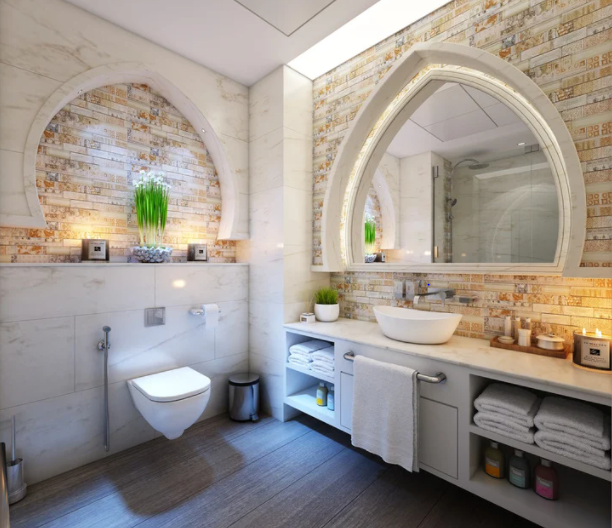
There is nothing better than entering a warm and cosy bathroom on a cold winter day. Bathroom heaters are a must if you are tired with the cold as you are getting ready for work in the morning. Or you could imagine a bathroom with a heated floor that serves as a haven of warmth and tranquillity.
A bathroom heater is a practical home appliance that can be used to generate moderate heat for the entire room. As an added bonus, it prevents the growth of mould and mildew by removing excess moisture and odour.
Choose the best model for your bathroom by deciding if you need a basic heater, an exhaust fan, or a combination of the two. There are many elements to think about before making a purchase of this kind due to the wide range of sizes and pricing available for such products.
Although purchasing a heater can seem like an easy task, narrowing down your options to select the perfect one requires more research and consideration than you might expect. You may find the best bathroom heater for your needs by carefully considering the many models, costs, features, and other alternatives available to you.
One of the main factors to consider is heating times – you wouldn’t want yourself to be left in the cold. Hence, it is recommended to pay attention to the length of time required for a heater to reach the desired temperature. A good indicator of whether or not you’re getting the best bathroom heater is if the heater takes too long to warm up.
Here are some other crucial elements to take into consideration:
In addition, expert installation is also crucial for optimising your bathroom heater’s performance. It’s important to hire professionals who know what they’re doing. More often than not, homeowners who purchase the ideal-sized heater end up missing out on its benefits due to sloppy installation. Check their credentials and experience to ensure they are qualified to install heating systems in your home.
Light waves are converted into heat by bathroom heaters, providing a soothing warmth to the space. To prevent your bathroom from becoming too stuffy, these systems can be built into the walls or ceiling and employ a combination of lighting and ventilation to maintain a comfortable temperature.
There are two primary types of bathroom heaters: those that are permanently installed and those that are portable. While the latter can be easily moved from one room to another, the former must be installed by a professional. Types of bathroom heaters include:
Beyond keeping your bathroom cosy and warm, bathroom heaters have a number of other uses and advantages:
Every bathroom is unique, and we believe your heating solution should be too.
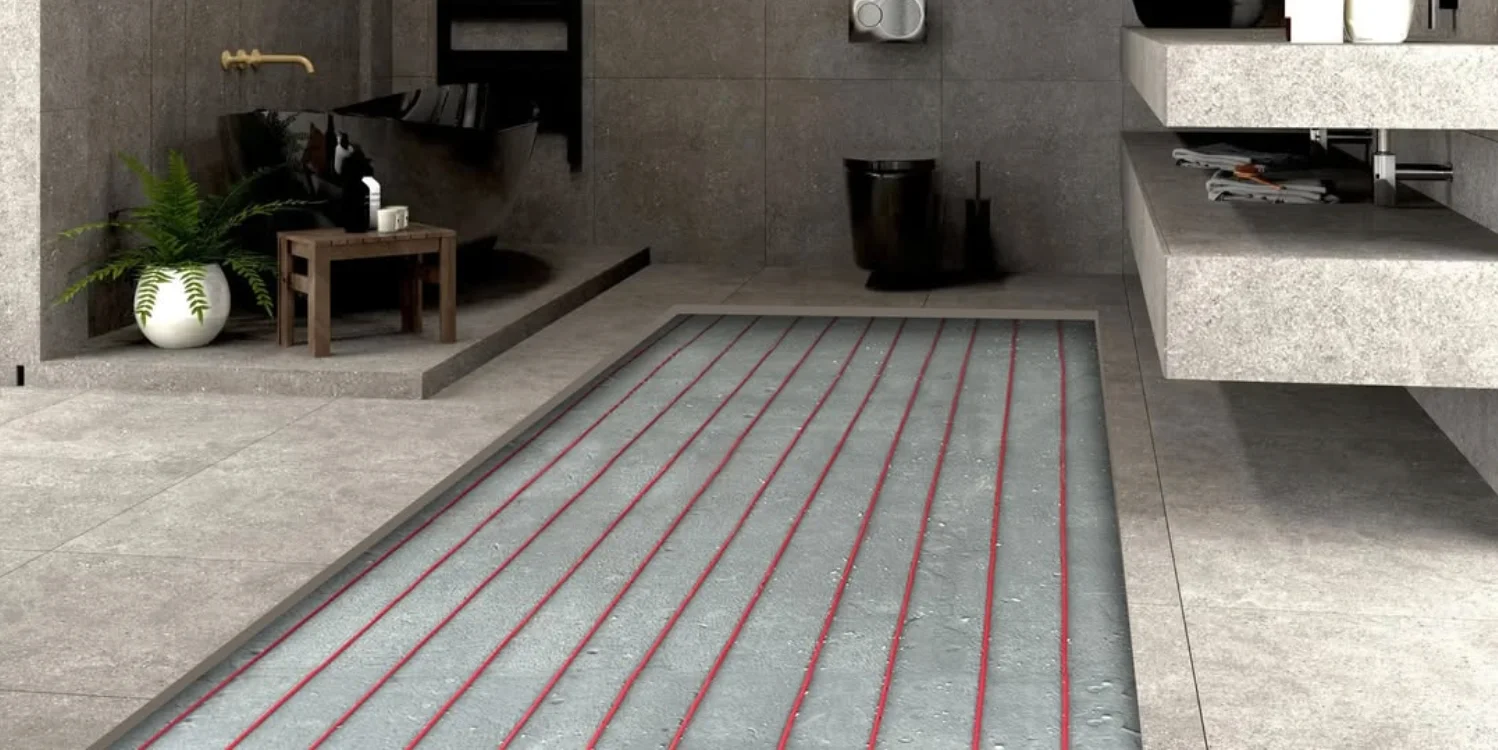
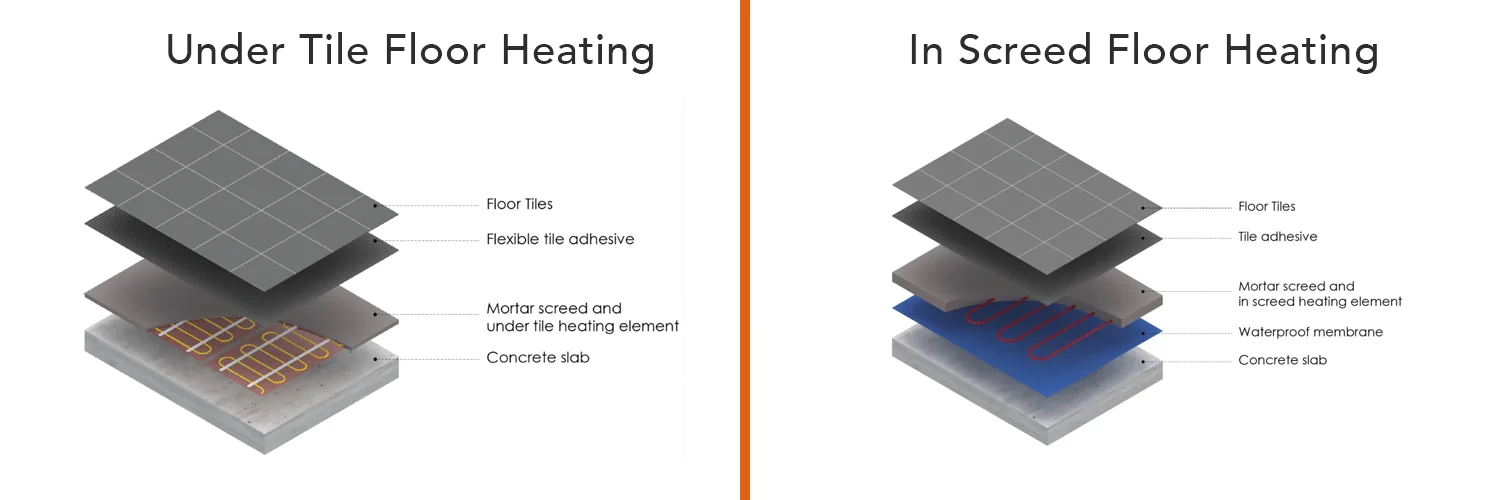
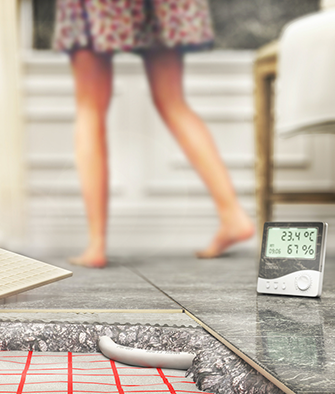
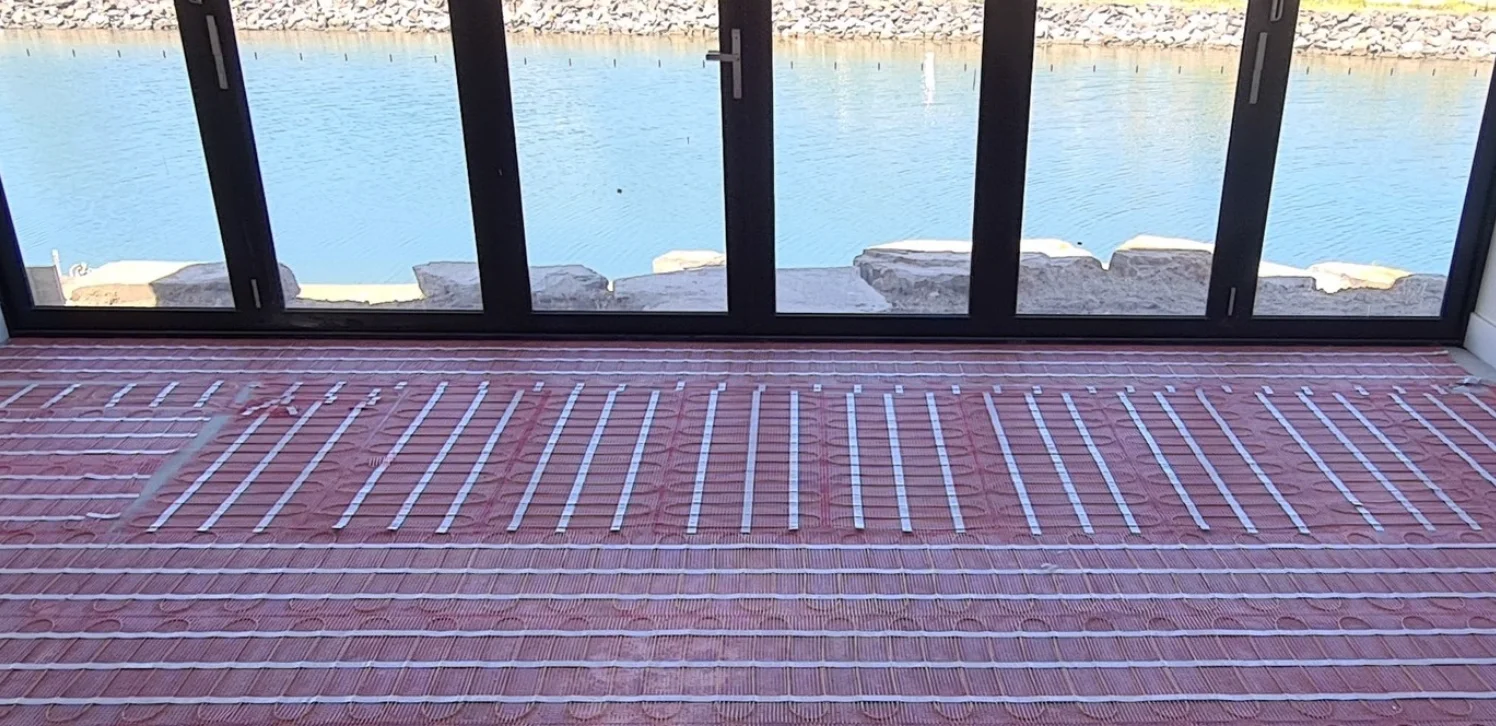
When it comes to heating your bathroom, conventional methods don’t always deliver the warmth and comfort you need. Underfloor heating eliminates the problem of cold flooring and chilly rooms. This cutting-edge innovation allows you to install heating elements directly under your floor, warming the entire room uniformly.
With its high level of comfort and low energy consumption, electric floor heating is a fantastic addition to any newly renovated bathroom. It lowers heating expenses, keeps floors warm, and adds a spa-like ambience to any room. Also, underfloor heating systems are made to maximise energy consumption, so you can stay warm without breaking the bank.
If you’re a homeowner, you’ll like electric floor heating as it offers:
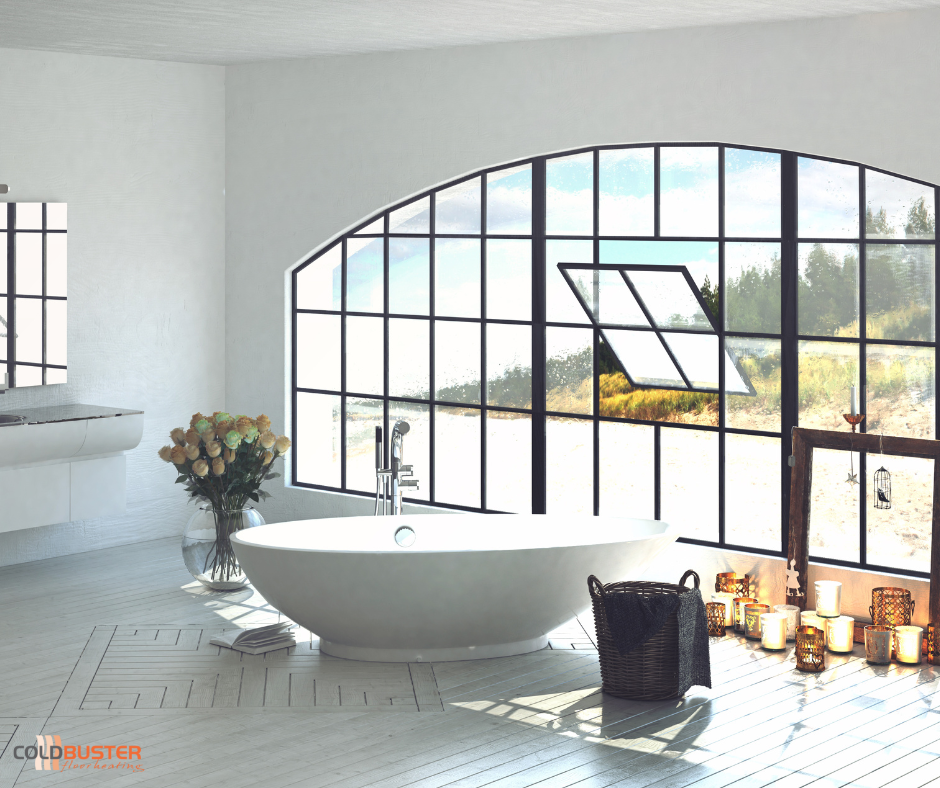
In addition to providing comfort, underfloor heating is redefining the term “luxury”. Visualise the relief of stepping out of the shower into a heated floor, the warmth embracing you as you begin your day.
Ready to embark on your journey to a warmer, cosier home? Look no further than Coldbuster Floor Heating, the premier supplier and installer of electric underfloor heating systems in Australia.
Coldbuster’s underfloor heating systems offer a spa-like experience within the comfort of your own home. With over 25 years of industry experience, trust us to bring you the modern version of the best bathroom heater solution that combines affordability, efficiency, and unmatched comfort.
Although underfloor heating is such a game-changer as the best bathroom heater alternative, its advantages are not limited to bathroom areas only. At Coldbuster, we offer underfloor heating solutions that can be easily incorporated into many parts of your home, increasing your convenience and comfort.
Contact us today to explore our range of underfloor heating options and receive a personalised quote. Our team of experts is dedicated to turning your bathroom into a retreat you’ll love stepping into. Customisation is at the heart of our service, ensuring you receive the best service for your specific requirements.
Key Factors Affecting the Running Costs of Electric Floor Heating from Coldbuster
There are many factors and assumptions that may influence the costs of running electric floor heating.
Please note that the factors and the assumptions that underpin this Running Cost Calculator mean that results should only be used as a rough guide, as conditions (some of which are listed below) can vary greatly.
The efficiency and cost of the electricity used for heating directly impact running costs. More efficient energy sources and favourable electricity tariffs reduce overall expenses. Electricity prices vary by provider and plan. Choosing an energy-efficient tariff and monitoring peak and off-peak rates can help minimise heating costs.
The assumption in this running cost estimate model is that your energy source is cost-effective and the electricity tariff is optimised for heating needs.
The total time the heating system is operational impacts energy consumption. Running the system only when necessary and using programmable thermostats to create heating schedules can optimise usage.
The assumption in this running cost estimate model is that your heating is running only when necessary and optimised accordingly.
A duty cycle for electric underfloor heating represents the percentage of time the system is actively heating versus its total operational time. After the floor reaches its set temperature, the system cycles on and off to maintain it. The calculator factors this in and assumes a 50% duty cycle.
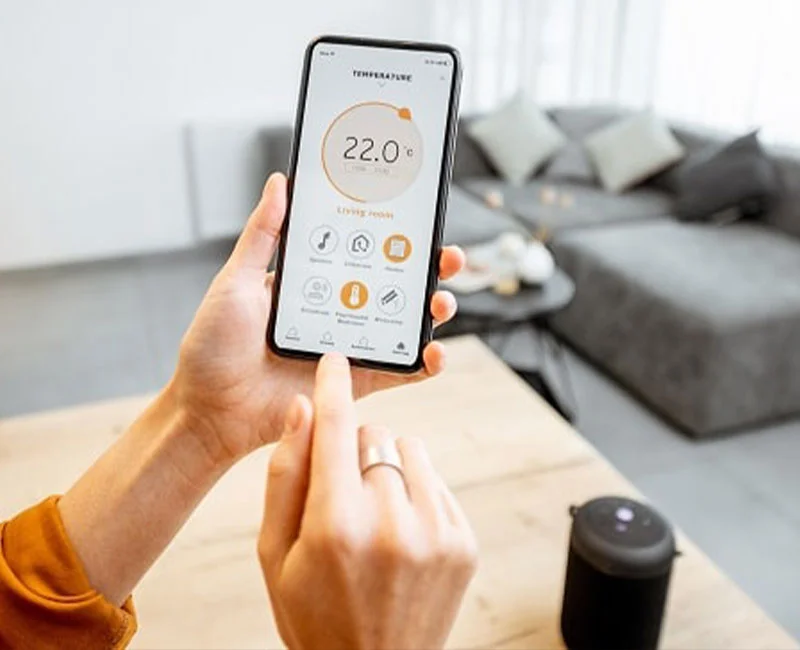
The temperature set on the thermostat directly affects energy usage. Lowering the thermostat temperature by just a few degrees can significantly reduce running costs without compromising comfort. Programmable and smart thermostats can optimise heating schedules, reducing energy use during non-peak times and enhancing overall efficiency. Setting the thermostat to an optimal temperature (e.g., 20-22°C) during occupied times and lowering it (or even better turning it off) when not in use can significantly affect running costs.
The assumption in this running cost estimate model is that you are using one of Coldbuster’s smart programmable thermostats to manage heating schedules effectively and that the settings are optimised for both comfort and efficiency.
Proper insulation reduces heat loss, making the heating system more efficient. Effective insulation in your floors, walls and roofs will help maintain the desired temperature with less energy consumption. Better insulation helps retain heat within the room, minimising the energy required to maintain comfort.
The assumption in this running cost estimate model is that your building has high-quality insulation materials installed in the walls, roof, and floor.
The type of floor substrate affects heat retention and energy efficiency. Concrete floors, for example, retain heat longer, while timber floors may require more energy to maintain warmth.
The assumption is that your floor substrate is conducive to efficient heating, with thermal insulation boards used where necessary to enhance heat retention.
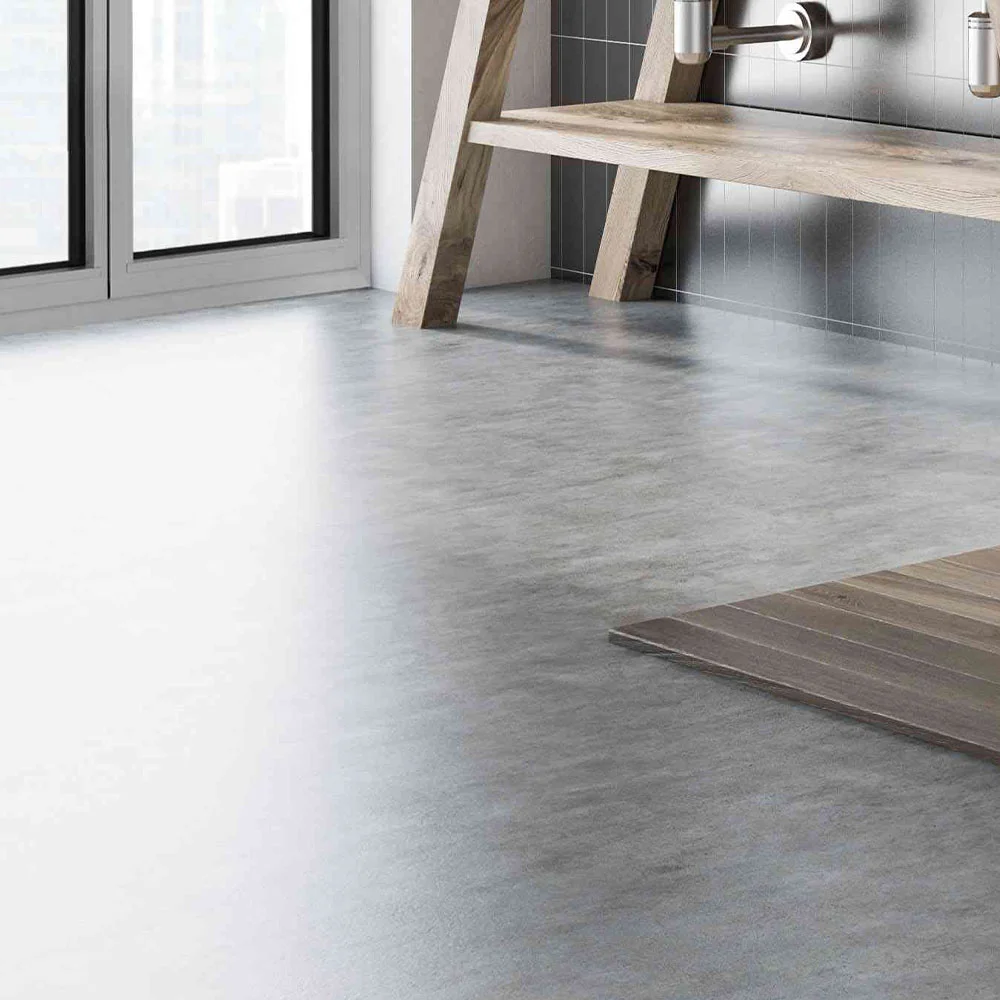
Different floor coverings have varying thermal properties. Materials like tile and stone conduct heat efficiently, while carpets and wood may require higher energy to achieve the same comfort level.
The assumption in this running cost estimate model is that your flooring material is chosen with consideration of its thermal conductivity and compatibility with the heating system.
Draughts from poorly sealed windows and doors, as well as other gaps, can lead to heat loss and increased energy consumption. The type and quality of windows and doors significantly impact heat loss and gain. Double-glazing and well-sealed frames reduce draughts and improve thermal efficiency.
The assumption in this running cost estimate model is that your windows, doors, and other potential gaps are well-sealed to prevent drafts and heat loss.
The overall energy efficiency of a building, including factors like construction quality, age, design and energy ratings, all affect its thermal efficiency and hence impacts heating costs. Older buildings may have more heat loss compared to newer, energy-efficient constructions.
The assumption in this running cost estimate model is that your building is relatively modern or has been updated to meet contemporary energy efficiency standards.
The local climate influences heating needs. Colder outdoor temperatures increase the demand for indoor heating. Regions with milder winters require less heating and would therefore typically have lower running costs compared to areas with harsh winter and cold conditions.
The assumption in this running cost estimate model is based on average climatic conditions specific to the region in Australia where you are located and where the system is installed.
The efficiency of the underfloor heating system itself plays a crucial role. The efficiency determines how effectively it converts electrical energy into heat. Modern systems with advanced controls and high efficiency like Coldbuster use less energy to achieve the desired warmth.
The assumption in this running cost estimate model is that your heating system is running efficiently at all times.
The ability to control heating in different zones or rooms independently allows for more precise energy use, heating only the areas that need it.
The assumption in this running cost estimate model is that your heating system is designed with zoning capabilities for customised temperature control.
The design of the heating system, including the layout, spacing, and type of heating elements, affects heat distribution and overall efficiency. The size of the room in relation to the heater’s capacity is crucial. An appropriately sized heater ensures efficient heating without overworking the system.
The assumption in this running cost estimate model is that your heating system is designed and installed by experienced Coldbuster installation professionals or other suitably qualified professionals to ensure optimal performance and energy efficiency.
Consistent and predictable usage patterns help in planning and optimising energy consumption. Irregular or excessive use can lead to higher costs.
The assumption in this running cost estimate model is that your usage patterns are regular and not excessive.
Higher ceilings result in larger volumes of air to heat, which can increase energy consumption. Rooms with standard ceiling heights are more energy efficient.
The assumption in this running cost estimate model is that your ceiling heights are standard (2.4 to 2.7 meters) to maintain optimal energy efficiency and minimize excess energy use.