
Check out our latest news as well as finding useful tips and resources.
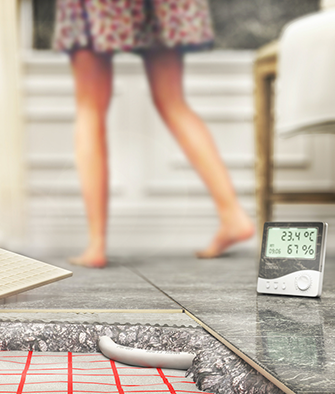
Mould. It is one of those issues that homeowners fear having to deal with. mould in the house is not only unattractive, but it may also have negative effects on your health if it is allowed to thrive since it produces irritants and allergens. If you live in the warm and humid Queensland, you may have dealt with mould problems.
The good news is that preventing mould growth in your home is not a very complex thing to perform — and a heating system is a key part of the strategy. When it comes to stopping the spread of mould and mildew on your property, electric underfloor heating can be the best solution you’ve been looking for!
Identifying the signs of mould and mildew development is the first step in resolving the issue — you have to locate the source of the problem first. Look around the walls and window sills to see if the wood is deteriorating or damp. mould and dampness are visible if there are wet areas or if there are black, grey, or green stains or growths.
Additionally, rising moisture can produce a stain that looks like a “tide line” around the lower portion of your walls, just above your skirting board. In a similar fashion, you should inspect the flooring in your bathroom for any similar signs of black spots or growths.
Using your sense of smell is an effective technique for detecting damp areas. The musty odour is apparent when there is moisture present. When you open your wardrobe, do you catch a whiff of a musty odour? If this is the case, then there is a possibility that the spot is damp. Closed wardrobes and cupboards restrict air from moving, and if they are blocked up, it is likely that all your clothes will have a musty scent or a damp texture to them. We at Coldbuster floor heating have had many requests to install underfloor heating in walk in wardrobes to prevent mould formation.
The growth of mould and mildew on soft furnishings should also be taken into account. Look for telltale signs on your couch, drapes, and curtains. Mould is not only unsightly, but also contagious and potentially dangerous.
If you or your loved ones have sensitive skin, weakened immune systems, or respiratory illnesses like asthma – you are more vulnerable to the effects of prolonged exposure. As a result, it’s crucial to keep an eye out for any symptoms of moisture or mould in the home, and to take immediate action if any are discovered.
Mould is always a result of excessive humidity indoors. Water vapour, perspiration, and steam from the stove or shower all contribute to the muggy or humid atmosphere.
mould spores can begin to spread within 24 hours if the humidity is over 60-65%, and if it stays there for more than 48 hours, you may start to see the effects. mould can develop on anything from clothing and carpets to walls, therefore it’s important to maintain a relative humidity below 50%.
It’s understandable that people would like to save on heating costs, this is one of the reasons we suggest electric underfloor heating. With our programmable thermostats the runnings costs are significantly reduced. Check out our range of thermostats.
Rapid development of moulds can be found nearly anywhere, even in trace amounts. The adhesive used in new carpets and wallpaper is a common example. Or there could also be mould development under your shoes that you bring from outside to inside your house. Similarly, dust mites are also an annoyance — you can never fully get rid of them, even with the most meticulous cleaning.
Mould and dust mites thrive in humid environments (above 60%). Since the air flow produced by radiators on the wall falls to the ground and transfers humidity with the cooling air, underfloor heating provides for reduced humidity near the ground, much to the delight of mites and mould.
Mould, or mildew, is a fungus that thrives in humid environments and is often seen on shower walls and ceilings. Little spores are the way by which mould spreads. This is especially common in showers because of the residual water. To grow, mould needs a constant supply of moisture. Although this is a common issue in bathrooms, it can happen anywhere in your house if there is moisture – so be aware.
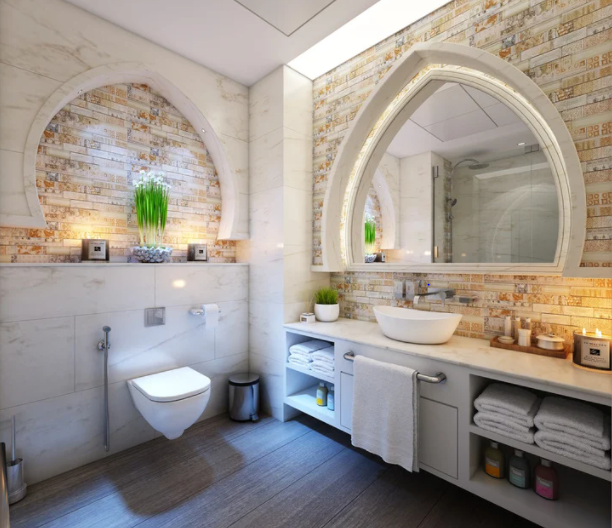
Having mould in the bathroom is a major reason for concern among homeowners since it can trigger asthma attacks and allergic responses. Far too frequently, the bathroom is the coldest room in the house. People often install a heated towel rail but neglect to think about the bathroom’s overall heating needs.
While a damp towel draped over a heated towel rail won’t do much to boost the room’s overall temperature, the drying process will add moisture to the air. Adding an electric underfloor heating system to your bathroom can help minimise humidity and dampness by drying extra water rapidly, which in turn reduces the risk of mould growth.
And with thermostat controls and scheduling, you can manage your energy costs with ease. A room that is heated at cheap energy rate times will remain warm for many hours. With careful management, you can control your energy costs effectively. Also annual mould removal costs around $200-$1000 on an average, which clearly can be avoided with underfloor heating.
Since condensation from steamy showers and baths makes the bathroom a prime breeding ground for mould, it’s no surprise that this is the room where it’s most common for such annoyances. In order to minimise mould growth, opting for electric underfloor heating system in your bathroom is a great way to cut down on dampness and humidity. Further, the electric system helps make the temperature uniform and efficient in warming the entire space.
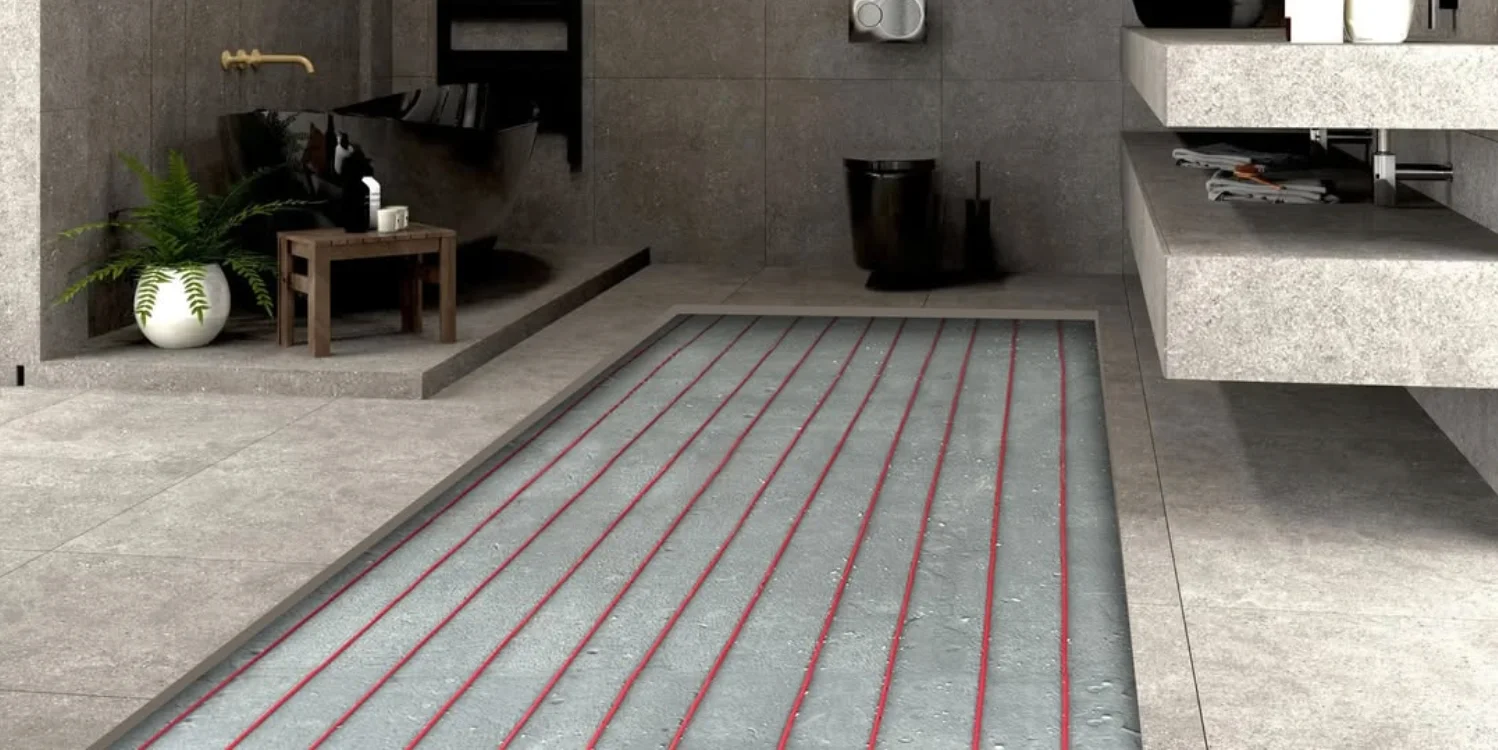
Coldbuster’s underfloor heating systems are highly effective and can be used in place of systems that require a significantly greater temperature to do their job. Floor heating can quickly heat a room while using less energy. This results in lower energy consumption and costs. Furthermore, Coldbuster under-floor heating kits are ultra-thin, which makes for even easier installation even in critical floor level situations.
Additionally, you have the option of selecting which rooms to heat and at what times. All of our under-floor heating options can be ordered alongside a range of effective thermostats. Our high-quality underfloor heating system can help reduce the likelihood of mould development in your bathroom by keeping the area at a constant temperature and promoting faster evaporation and dispersion of water.
Send your plans or designs to [email protected] and we’ll send you a no-obligation quote for electric underfloor heating. For any assistance, call us at 1800 85 75 65, or feel free to browse our website. Whatever your project needs, we have the team to help you in any way. Shop now!
Key Factors Affecting the Running Costs of Electric Floor Heating from Coldbuster
There are many factors and assumptions that may influence the costs of running electric floor heating.
Please note that the factors and the assumptions that underpin this Running Cost Calculator mean that results should only be used as a rough guide, as conditions (some of which are listed below) can vary greatly.
The efficiency and cost of the electricity used for heating directly impact running costs. More efficient energy sources and favourable electricity tariffs reduce overall expenses. Electricity prices vary by provider and plan. Choosing an energy-efficient tariff and monitoring peak and off-peak rates can help minimise heating costs.
The assumption in this running cost estimate model is that your energy source is cost-effective and the electricity tariff is optimised for heating needs.
The total time the heating system is operational impacts energy consumption. Running the system only when necessary and using programmable thermostats to create heating schedules can optimise usage.
The assumption in this running cost estimate model is that your heating is running only when necessary and optimised accordingly.
A duty cycle for electric underfloor heating represents the percentage of time the system is actively heating versus its total operational time. After the floor reaches its set temperature, the system cycles on and off to maintain it. The calculator factors this in and assumes a 50% duty cycle.
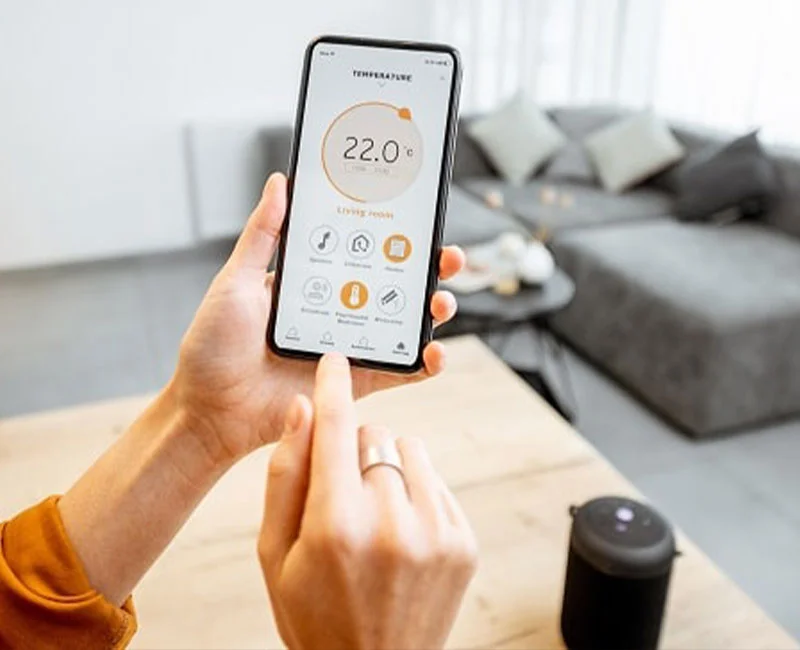
The temperature set on the thermostat directly affects energy usage. Lowering the thermostat temperature by just a few degrees can significantly reduce running costs without compromising comfort. Programmable and smart thermostats can optimise heating schedules, reducing energy use during non-peak times and enhancing overall efficiency. Setting the thermostat to an optimal temperature (e.g., 20-22°C) during occupied times and lowering it (or even better turning it off) when not in use can significantly affect running costs.
The assumption in this running cost estimate model is that you are using one of Coldbuster’s smart programmable thermostats to manage heating schedules effectively and that the settings are optimised for both comfort and efficiency.
Proper insulation reduces heat loss, making the heating system more efficient. Effective insulation in your floors, walls and roofs will help maintain the desired temperature with less energy consumption. Better insulation helps retain heat within the room, minimising the energy required to maintain comfort.
The assumption in this running cost estimate model is that your building has high-quality insulation materials installed in the walls, roof, and floor.
The type of floor substrate affects heat retention and energy efficiency. Concrete floors, for example, retain heat longer, while timber floors may require more energy to maintain warmth.
The assumption is that your floor substrate is conducive to efficient heating, with thermal insulation boards used where necessary to enhance heat retention.
Different floor coverings have varying thermal properties. Materials like tile and stone conduct heat efficiently, while carpets and wood may require higher energy to achieve the same comfort level.
The assumption in this running cost estimate model is that your flooring material is chosen with consideration of its thermal conductivity and compatibility with the heating system.
Draughts from poorly sealed windows and doors, as well as other gaps, can lead to heat loss and increased energy consumption. The type and quality of windows and doors significantly impact heat loss and gain. Double-glazing and well-sealed frames reduce draughts and improve thermal efficiency.
The assumption in this running cost estimate model is that your windows, doors, and other potential gaps are well-sealed to prevent drafts and heat loss.
The overall energy efficiency of a building, including factors like construction quality, age, design and energy ratings, all affect its thermal efficiency and hence impacts heating costs. Older buildings may have more heat loss compared to newer, energy-efficient constructions.
The assumption in this running cost estimate model is that your building is relatively modern or has been updated to meet contemporary energy efficiency standards.
The local climate influences heating needs. Colder outdoor temperatures increase the demand for indoor heating. Regions with milder winters require less heating and would therefore typically have lower running costs compared to areas with harsh winter and cold conditions.
The assumption in this running cost estimate model is based on average climatic conditions specific to the region in Australia where you are located and where the system is installed.
The efficiency of the underfloor heating system itself plays a crucial role. The efficiency determines how effectively it converts electrical energy into heat. Modern systems with advanced controls and high efficiency like Coldbuster use less energy to achieve the desired warmth.
The assumption in this running cost estimate model is that your heating system is running efficiently at all times.
The ability to control heating in different zones or rooms independently allows for more precise energy use, heating only the areas that need it.
The assumption in this running cost estimate model is that your heating system is designed with zoning capabilities for customised temperature control.
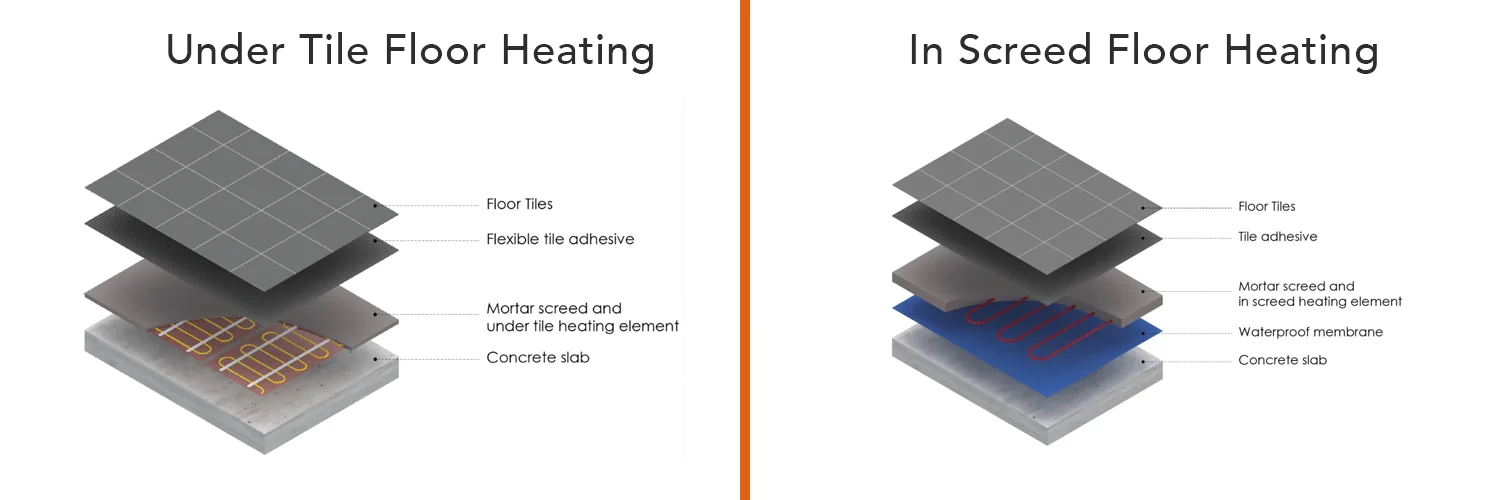
The design of the heating system, including the layout, spacing, and type of heating elements, affects heat distribution and overall efficiency. The size of the room in relation to the heater’s capacity is crucial. An appropriately sized heater ensures efficient heating without overworking the system.
The assumption in this running cost estimate model is that your heating system is designed and installed by experienced Coldbuster installation professionals or other suitably qualified professionals to ensure optimal performance and energy efficiency.
Consistent and predictable usage patterns help in planning and optimising energy consumption. Irregular or excessive use can lead to higher costs.
The assumption in this running cost estimate model is that your usage patterns are regular and not excessive.
Higher ceilings result in larger volumes of air to heat, which can increase energy consumption. Rooms with standard ceiling heights are more energy efficient.
The assumption in this running cost estimate model is that your ceiling heights are standard (2.4 to 2.7 meters) to maintain optimal energy efficiency and minimize excess energy use.