

Check out our latest news as well as finding useful tips and resources.

If you are the type of person that likes to tinker around with projects around the house, the garage might get the most use of any room in the house. It doesn’t matter if you use your garage as a home gym, a workshop, a game room, or a regular car garage; we all know how frigid it can get in there without a heat source.
In cold areas, working in a garage during the winter can be a difficult endeavour. Typically, garages are not well-suited to extreme weather conditions due to a lack of insulation and heating systems.
Good news: underfloor heating isn’t just a terrific option for your living space; it’s also a great alternative for your garage, providing a practical, inexpensive heating system. In fact, underfloor heating installed directly onto a concrete garage floor is one of the most efficient heating techniques since it warms the entire space evenly.
It heats the air and dries the floor, making the garage a cosy place to be and protecting stored objects from the risk of mildew and mould. Additionally, in contrast to electric fans and heaters, these systems operate with minimal noise. Stay warm in the garage while enjoying your favourite tunes or having a conversation with your loved ones.
If you’re ready to make significant improvements to your garage space, read on to learn all about underfloor heating for your existing concrete garage floors.
Heating your garage has many advantages, like creating a relaxing place to work and maintaining a consistent temperature for your vehicle.
If you don’t want to deal with the cold concrete while you undertake your car-fixing projects, having an underfloor heating system in your garage can be the best way to keep you warm as you are crawling around underneath your car.
Garage insulation is a prerequisite to heating a garage; cracks and gaps in the brickwork or surrounding windows should be sealed up and outside doors should be weatherstripped. Both electric and hydronic underfloor heating systems for concrete garages can be installed within the concrete floor itself.
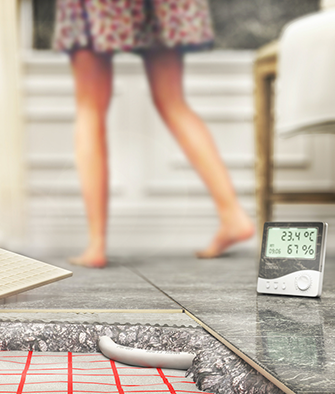
Keep in mind that an underfloor heating system in your garage does not need to be switched on all the time. Using a smart thermostat to control your underfloor heating system allows you to establish a desired temperature and have the system run only when you turn it on.
And with the WiFi connectivity in the smart thermostat, this means that you don’t have to go all the way to the garage to adjust the temperature or turn off the system. Simply by using the thermostat app on your smartphone, you can direct the system to heat the room to the desired temperature. This is not only a fantastic way to save money, but also a fantastic time saver.
Yes, you’ll need to make preparations for budget costs for installing an underfloor heating system on the concrete garage floor. Try to get estimates and do surveys before construction or remodelling your existing garage to make sure there will be enough room for your project.
Your garage’s underfloor heating installation price will vary based on factors such as the size of your dwelling, the type of heating system you choose, the flooring materials you choose, and your house’s location. It is recommended that you choose an underfloor heating supplier that offers a free quote.
Get out of the cold and into the comfort of your heated garage. Leaving the warmth of your home and entering the unheated garage might be like stepping into the Arctic. When the weather outside is below freezing, even simple tasks like working on a project or moving items to and from storage in your garage might leave you feeling cold and shivering. Installing concrete floor heating in your garage will completely alter this situation.
Even though most commonly found in bathrooms and other wet rooms, underfloor heating is a popular way for homeowners to maintain a consistently pleasant temperature in these spaces year-round – including the garage space! It’s a great strategy, particularly in the winter, to focus on rooms that aren’t heated. Heated flooring is a viable alternative to your current heating system because it warms the entire room equally and effectively.
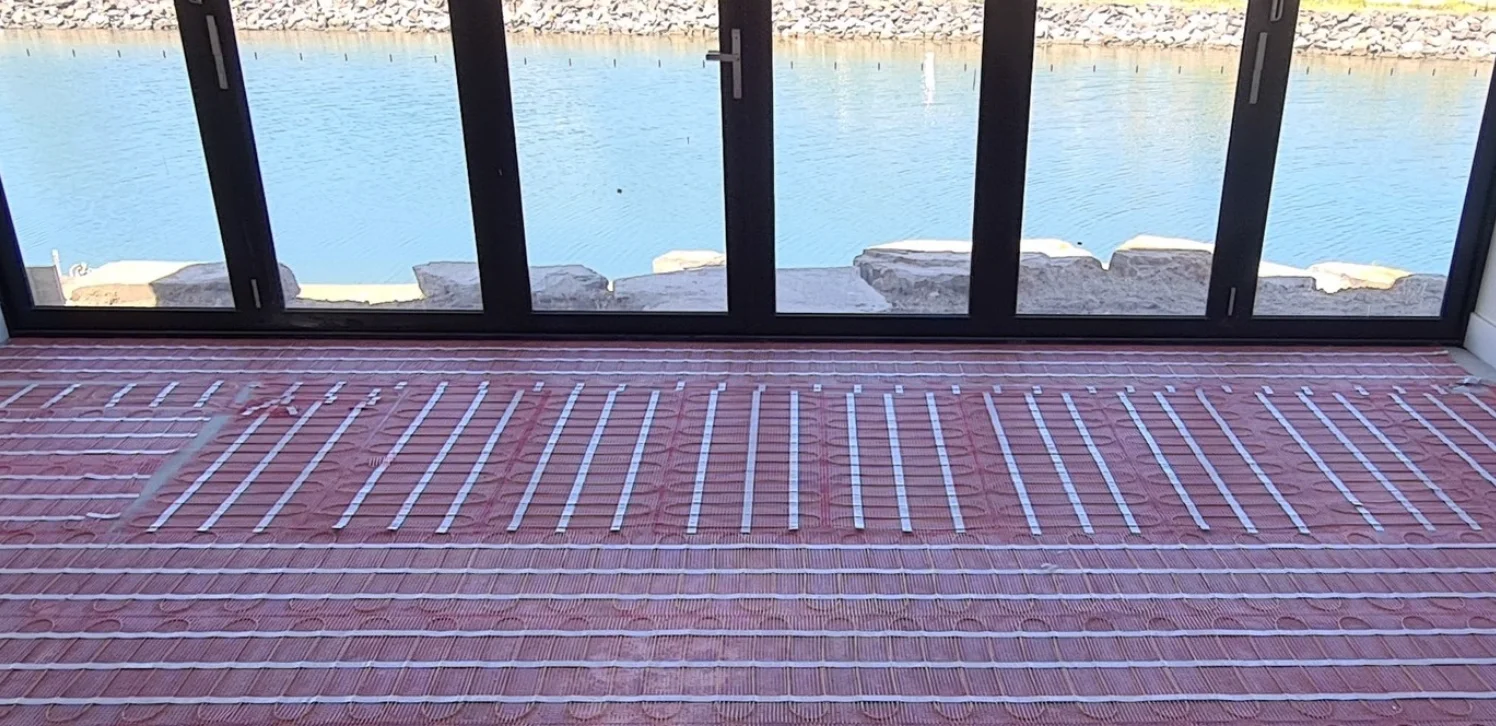
Making the perfect garage space a reality is easy with polished concrete slab heating from Coldbuster. It is attached to the reinforcing mesh prior to the pouring of the concrete to provide a gentle lasting warming heat through the slab.
It is not designed for quick response heating. Thermostat temperature and scheduling control can be applied room by room, maximising energy efficiency. Low-cost installation and controllable running costs make this a cost-effective solution.
Thinking about installing underfloor heating into your home and have any questions?
We would be happy to help! Give us a call at 1800 85 75 65. Our team of experts is available to answer any questions you may have and provide guidance on selecting the right system for your needs.
Underfloor heating has the reputation of being the safest, cleanest, and most luxurious heating system available. Not only will you ever be exposed to flame or hot surfaces, underfloor heating will not also affect the aesthetics of your garage space design. Plus, it is also silent – you don’t have to deal with loud noises. So it is all pure luxurious warmth.
Coldbuster offers a wide range of electric floor heating systems, designed to suit almost any flooring type. Our systems provide even distribution of heat, higher thermal efficiency, and lower running times compared to traditional heating methods.
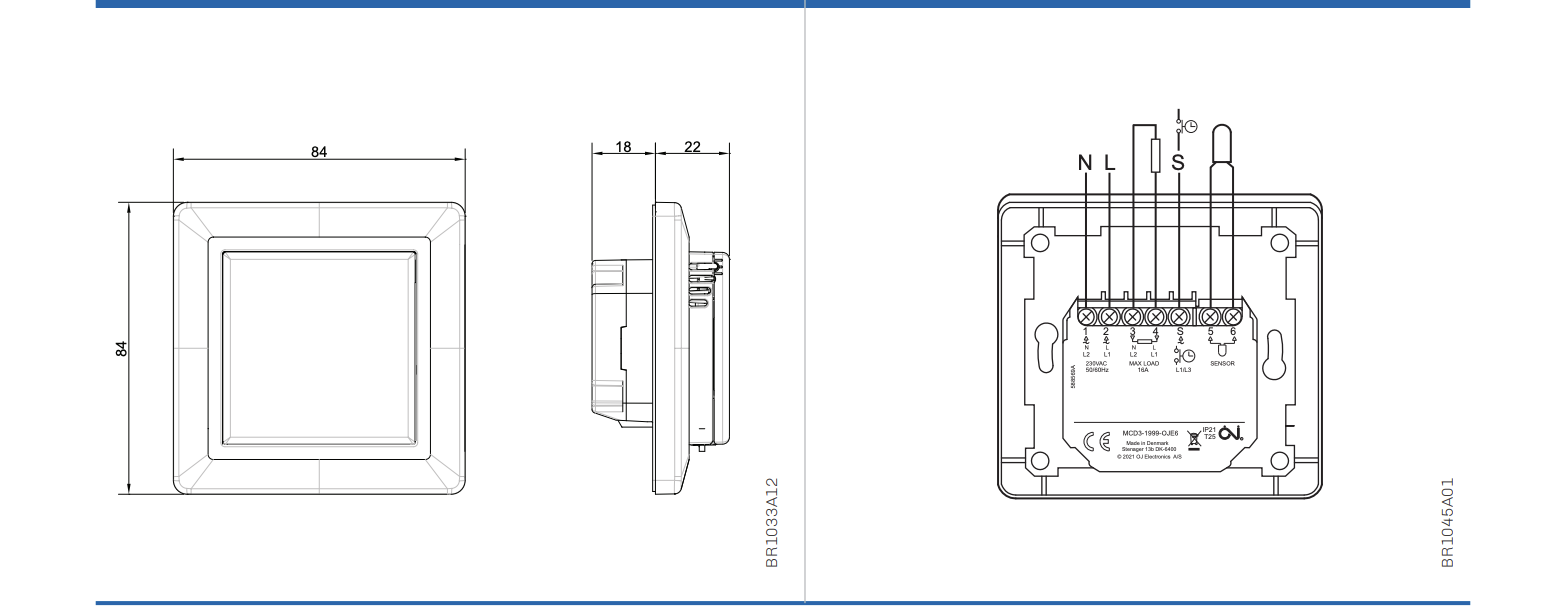
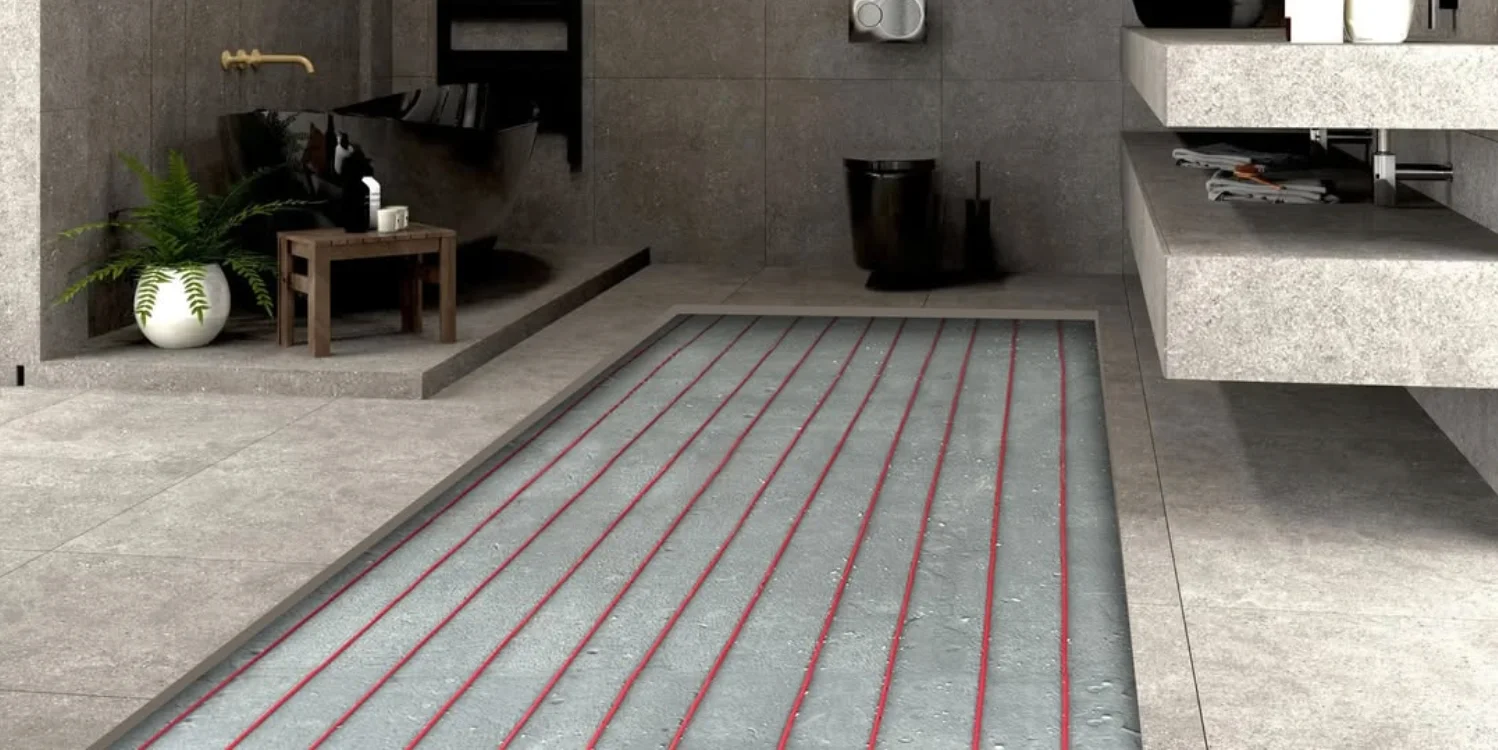
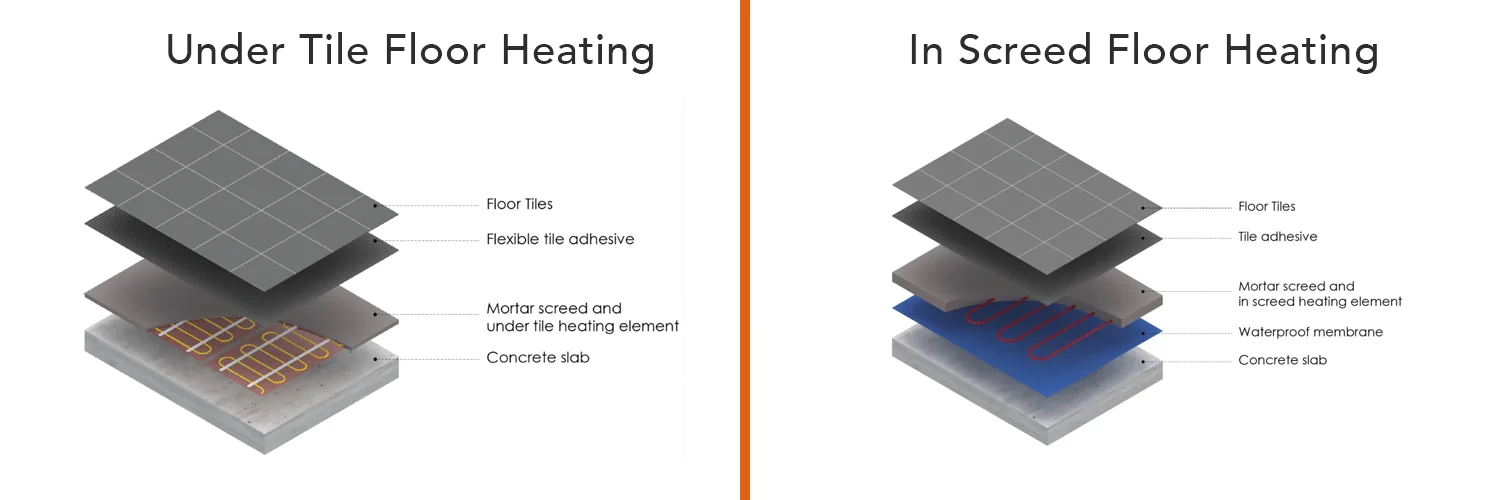


Key Factors Affecting the Running Costs of Electric Floor Heating from Coldbuster
There are many factors and assumptions that may influence the costs of running electric floor heating.
Please note that the factors and the assumptions that underpin this Running Cost Calculator mean that results should only be used as a rough guide, as conditions (some of which are listed below) can vary greatly.
The efficiency and cost of the electricity used for heating directly impact running costs. More efficient energy sources and favourable electricity tariffs reduce overall expenses. Electricity prices vary by provider and plan. Choosing an energy-efficient tariff and monitoring peak and off-peak rates can help minimise heating costs.
The assumption in this running cost estimate model is that your energy source is cost-effective and the electricity tariff is optimised for heating needs.
The total time the heating system is operational impacts energy consumption. Running the system only when necessary and using programmable thermostats to create heating schedules can optimise usage.
The assumption in this running cost estimate model is that your heating is running only when necessary and optimised accordingly.
A duty cycle for electric underfloor heating represents the percentage of time the system is actively heating versus its total operational time. After the floor reaches its set temperature, the system cycles on and off to maintain it. The calculator factors this in and assumes a 50% duty cycle.
The temperature set on the thermostat directly affects energy usage. Lowering the thermostat temperature by just a few degrees can significantly reduce running costs without compromising comfort. Programmable and smart thermostats can optimise heating schedules, reducing energy use during non-peak times and enhancing overall efficiency. Setting the thermostat to an optimal temperature (e.g., 20-22°C) during occupied times and lowering it (or even better turning it off) when not in use can significantly affect running costs.
The assumption in this running cost estimate model is that you are using one of Coldbuster’s smart programmable thermostats to manage heating schedules effectively and that the settings are optimised for both comfort and efficiency.
Proper insulation reduces heat loss, making the heating system more efficient. Effective insulation in your floors, walls and roofs will help maintain the desired temperature with less energy consumption. Better insulation helps retain heat within the room, minimising the energy required to maintain comfort.
The assumption in this running cost estimate model is that your building has high-quality insulation materials installed in the walls, roof, and floor.
The type of floor substrate affects heat retention and energy efficiency. Concrete floors, for example, retain heat longer, while timber floors may require more energy to maintain warmth.
The assumption is that your floor substrate is conducive to efficient heating, with thermal insulation boards used where necessary to enhance heat retention.
Different floor coverings have varying thermal properties. Materials like tile and stone conduct heat efficiently, while carpets and wood may require higher energy to achieve the same comfort level.
The assumption in this running cost estimate model is that your flooring material is chosen with consideration of its thermal conductivity and compatibility with the heating system.
Draughts from poorly sealed windows and doors, as well as other gaps, can lead to heat loss and increased energy consumption. The type and quality of windows and doors significantly impact heat loss and gain. Double-glazing and well-sealed frames reduce draughts and improve thermal efficiency.
The assumption in this running cost estimate model is that your windows, doors, and other potential gaps are well-sealed to prevent drafts and heat loss.
The overall energy efficiency of a building, including factors like construction quality, age, design and energy ratings, all affect its thermal efficiency and hence impacts heating costs. Older buildings may have more heat loss compared to newer, energy-efficient constructions.
The assumption in this running cost estimate model is that your building is relatively modern or has been updated to meet contemporary energy efficiency standards.
The local climate influences heating needs. Colder outdoor temperatures increase the demand for indoor heating. Regions with milder winters require less heating and would therefore typically have lower running costs compared to areas with harsh winter and cold conditions.
The assumption in this running cost estimate model is based on average climatic conditions specific to the region in Australia where you are located and where the system is installed.
The efficiency of the underfloor heating system itself plays a crucial role. The efficiency determines how effectively it converts electrical energy into heat. Modern systems with advanced controls and high efficiency like Coldbuster use less energy to achieve the desired warmth.
The assumption in this running cost estimate model is that your heating system is running efficiently at all times.
The ability to control heating in different zones or rooms independently allows for more precise energy use, heating only the areas that need it.
The assumption in this running cost estimate model is that your heating system is designed with zoning capabilities for customised temperature control.
The design of the heating system, including the layout, spacing, and type of heating elements, affects heat distribution and overall efficiency. The size of the room in relation to the heater’s capacity is crucial. An appropriately sized heater ensures efficient heating without overworking the system.
The assumption in this running cost estimate model is that your heating system is designed and installed by experienced Coldbuster installation professionals or other suitably qualified professionals to ensure optimal performance and energy efficiency.
Consistent and predictable usage patterns help in planning and optimising energy consumption. Irregular or excessive use can lead to higher costs.
The assumption in this running cost estimate model is that your usage patterns are regular and not excessive.
Higher ceilings result in larger volumes of air to heat, which can increase energy consumption. Rooms with standard ceiling heights are more energy efficient.
The assumption in this running cost estimate model is that your ceiling heights are standard (2.4 to 2.7 meters) to maintain optimal energy efficiency and minimize excess energy use.