

Check out our latest news as well as finding useful tips and resources.
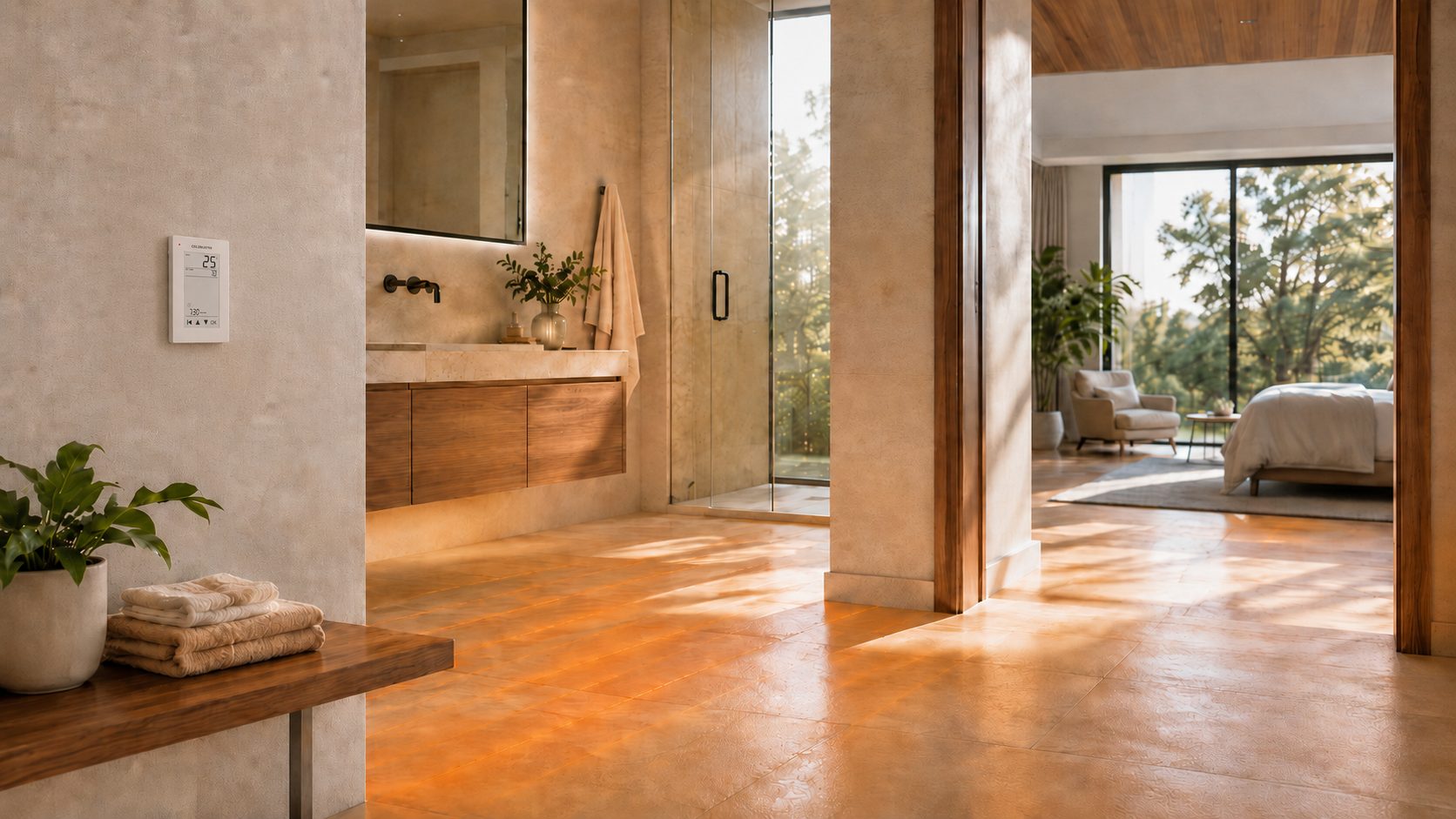
The Solar Sharer Offer creates a new opportunity for eligible households to rethink when and how they use electric floor heating.
Under the scheme, eligible households in New South Wales, South Australia and South-East Queensland can choose an electricity plan that provides three hours of free electricity in the middle of each day. Households do not need rooftop solar to participate, although eligibility requirements apply and a smart meter is generally required.
For homeowners who already have electric floor heating, the offer may provide a practical ways to reduce running costs by shifting more heating into the free electricity period.
For those considering floor heating for a renovation or new home, it also highlights the importance of choosing a system with a programmable thermostat. Being able to control when the heating operates can be just as important as controlling the temperature.
What Is the Solar Sharer Offer?
The Solar Sharer Offer is an optional electricity offer designed to encourage households to use more electricity during the middle of the day, when solar generation is generally at its highest.
The free electricity periods vary by state, but they typically a three hour window between 11:00 am and 3:00 pm.
Eligible households can access up to 24 kWh of free electricity during the three hour period each day. Electricity used outside the free window, daily supply charges and any applicable charges above the allowance are not free.
The offer may not suit every household. Before signing up, customers should speak with their electricity retailer and compare all rates and conditions, including the prices that apply outside the free period.
Coldbuster Floor Heating is not an electricity retailer, so questions about eligibility, smart meters, tariffs and billing should be confirmed directly with the household’s energy provider.
Electric floor heating is well suited to scheduled operation because it does not always need to start at the exact time a room is being used.
As the heating turn on, warmth is transferred into the floor. The floor can then continue releasing heat into the room after the system reduces its output or switches off.
This means homeowners may be able to preheat the floor during the free electricity period and rely on some of that retained warmth through the afternoon and into the evening.
The objective is not to make the floor as hot as possible while electricity is free. It is to create a comfortable level of warmth during the free period so that less paid heating may be required later.
Make the Most of Your Programmable Thermostat
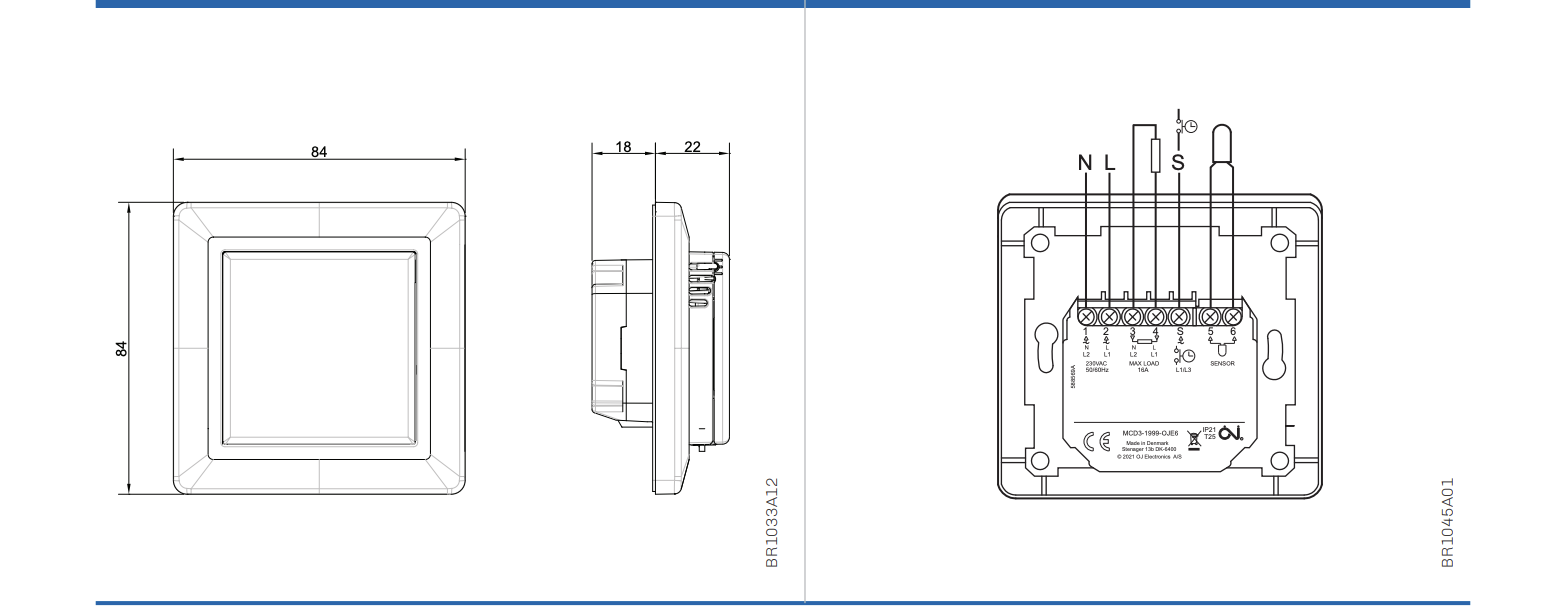
The programmable thermostat is the key to taking advantage of the Solar Sharer Offer.
Rather than manually switching the heating on every day, the thermostat can be programmed to operate automatically during the free electricity period.
For example, a homeowner in New South Wales could program the floor heating to operate between 11 am and 2 pm. At 2 pm, the thermostat could reduce to a lower holding or comfort temperature.
Especially for large heating zones like the living areas, the heat stored in the floor may continue warming the room, while the system only switches back on if the temperature falls below the selected setting.
The right timing and temperature will depend on the room, weather conditions, floor construction and how the space is used.
Test and Adjust the Schedule
Every floor heating installation responds differently. Some floors warm relatively quickly, while others take longer to heat but retain warmth for a longer period.
The best approach is to start with a moderate schedule and make gradual adjustments.
Observe how quickly the floor warms, whether the room reaches a comfortable temperature and how long the warmth remains after the free period ends.
Also check whether the system switches back on frequently during the evening. If it does, the free-period temperature or operating time may need to be adjusted.
Avoid changing the time and temperature significantly at the same time. Make one change, monitor the result and then refine the program over time.
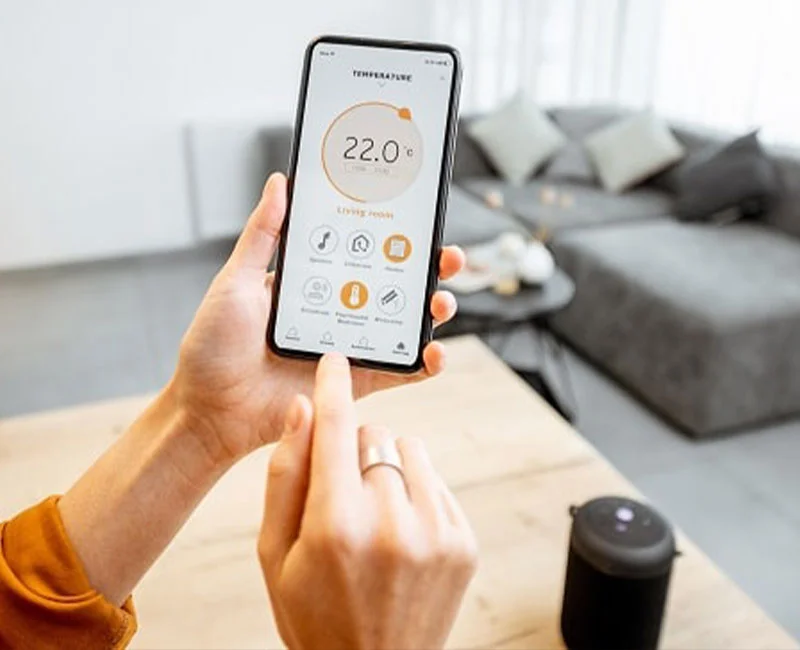
Wi-Fi thermostats can make this easier by allowing schedules and temperatures to be adjusted through an app.
Follow the floor manufacturers guidelines
Free electricity should not be treated as a reason to turn the thermostat to its maximum setting.
Floor coverings, especially timber and carpets, may also have maximum recommended temperature limits set by the floor manufacturer. These limits must always be followed.
The best approach is to choose the lowest practical setting that provides enough warmth for the afternoon or evening.
Check Your Thermostat Settings
A heating schedule will only work correctly if the thermostat is properly configured.
Homeowners should periodically check the thermostat clock, date, weekday and weekend schedules, target temperatures, manual overrides and maximum floor-temperature limits.
Power interruptions and daylight saving changes can sometimes affect thermostat settings. A manual override may also cause the heating to continue outside the programmed free period.
Please ensure the adaptive function is off on your thermostat, as this may start heating up the zone prior to the set time.
If you have a Wi-Fi thermostat, you can turn on the heating using the app. On some thermostats, you can set it to comfort mode for the 3 hours at a specific temperature to preheat your subfloors so it takes less time to heat during scheduled operating hours.
Understanding how the thermostat operates can prevent accidental electricity use during higher-priced periods.
Considering Floor Heating for a New Project?
For homeowners considering electric floor heating, the Solar Sharer Offer demonstrates why programmable controls should be included from the beginning.
A suitable thermostat should allow automatic schedules, different weekday and weekend programs, temperature limits and easy adjustments as household routines or electricity tariffs change.
Coldbuster Floor Heating can help design a system that combines comfort, appropriate heating output and practical control.
For existing floor heating owners, reviewing the thermostat schedule may be a simple first step towards reducing paid electricity use. For new projects, choosing the right.
Key Factors Affecting the Running Costs of Electric Floor Heating from Coldbuster
There are many factors and assumptions that may influence the costs of running electric floor heating.
Please note that the factors and the assumptions that underpin this Running Cost Calculator mean that results should only be used as a rough guide, as conditions (some of which are listed below) can vary greatly.
The efficiency and cost of the electricity used for heating directly impact running costs. More efficient energy sources and favourable electricity tariffs reduce overall expenses. Electricity prices vary by provider and plan. Choosing an energy-efficient tariff and monitoring peak and off-peak rates can help minimise heating costs.
The assumption in this running cost estimate model is that your energy source is cost-effective and the electricity tariff is optimised for heating needs.
The total time the heating system is operational impacts energy consumption. Running the system only when necessary and using programmable thermostats to create heating schedules can optimise usage.
The assumption in this running cost estimate model is that your heating is running only when necessary and optimised accordingly.
A duty cycle for electric underfloor heating represents the percentage of time the system is actively heating versus its total operational time. After the floor reaches its set temperature, the system cycles on and off to maintain it. The calculator factors this in and assumes a 50% duty cycle.
The temperature set on the thermostat directly affects energy usage. Lowering the thermostat temperature by just a few degrees can significantly reduce running costs without compromising comfort. Programmable and smart thermostats can optimise heating schedules, reducing energy use during non-peak times and enhancing overall efficiency. Setting the thermostat to an optimal temperature (e.g., 20-22°C) during occupied times and lowering it (or even better turning it off) when not in use can significantly affect running costs.
The assumption in this running cost estimate model is that you are using one of Coldbuster’s smart programmable thermostats to manage heating schedules effectively and that the settings are optimised for both comfort and efficiency.
Proper insulation reduces heat loss, making the heating system more efficient. Effective insulation in your floors, walls and roofs will help maintain the desired temperature with less energy consumption. Better insulation helps retain heat within the room, minimising the energy required to maintain comfort.
The assumption in this running cost estimate model is that your building has high-quality insulation materials installed in the walls, roof, and floor.
The type of floor substrate affects heat retention and energy efficiency. Concrete floors, for example, retain heat longer, while timber floors may require more energy to maintain warmth.
The assumption is that your floor substrate is conducive to efficient heating, with thermal insulation boards used where necessary to enhance heat retention.
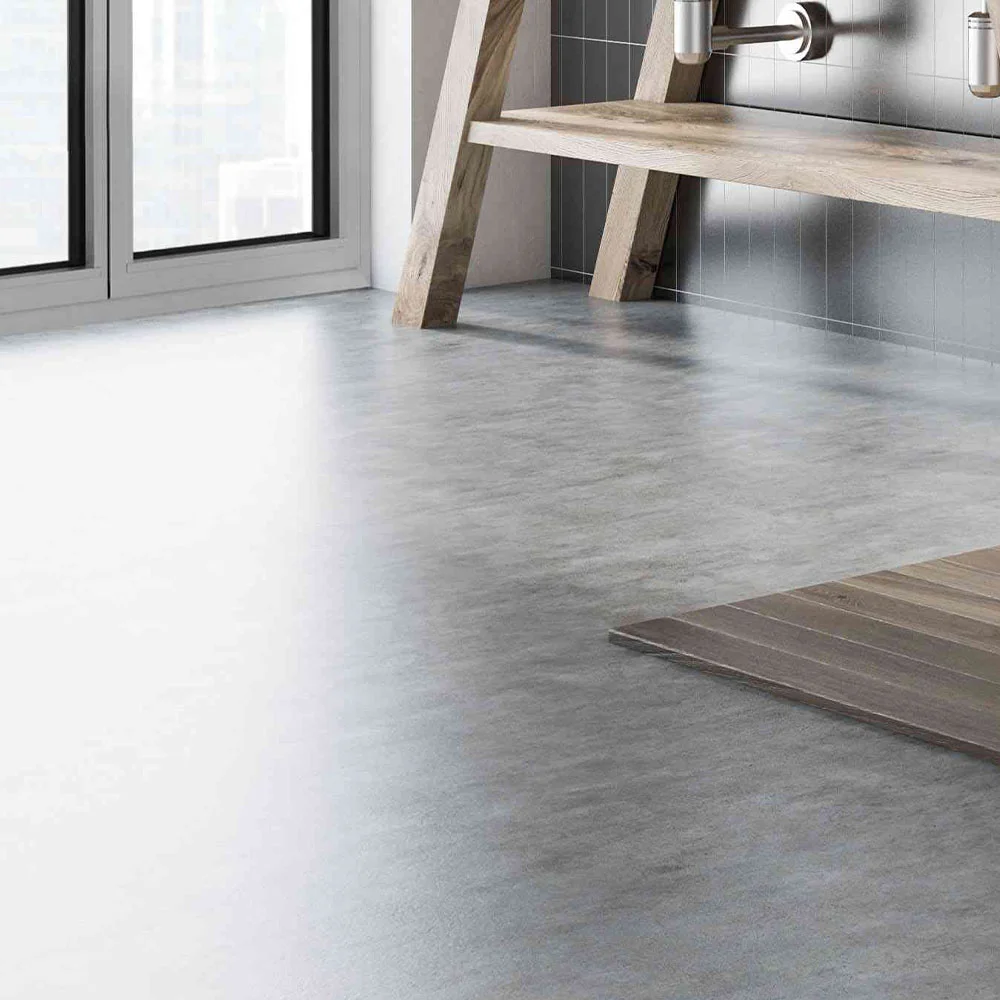
Different floor coverings have varying thermal properties. Materials like tile and stone conduct heat efficiently, while carpets and wood may require higher energy to achieve the same comfort level.
The assumption in this running cost estimate model is that your flooring material is chosen with consideration of its thermal conductivity and compatibility with the heating system.
Draughts from poorly sealed windows and doors, as well as other gaps, can lead to heat loss and increased energy consumption. The type and quality of windows and doors significantly impact heat loss and gain. Double-glazing and well-sealed frames reduce draughts and improve thermal efficiency.
The assumption in this running cost estimate model is that your windows, doors, and other potential gaps are well-sealed to prevent drafts and heat loss.
The overall energy efficiency of a building, including factors like construction quality, age, design and energy ratings, all affect its thermal efficiency and hence impacts heating costs. Older buildings may have more heat loss compared to newer, energy-efficient constructions.
The assumption in this running cost estimate model is that your building is relatively modern or has been updated to meet contemporary energy efficiency standards.
The local climate influences heating needs. Colder outdoor temperatures increase the demand for indoor heating. Regions with milder winters require less heating and would therefore typically have lower running costs compared to areas with harsh winter and cold conditions.
The assumption in this running cost estimate model is based on average climatic conditions specific to the region in Australia where you are located and where the system is installed.
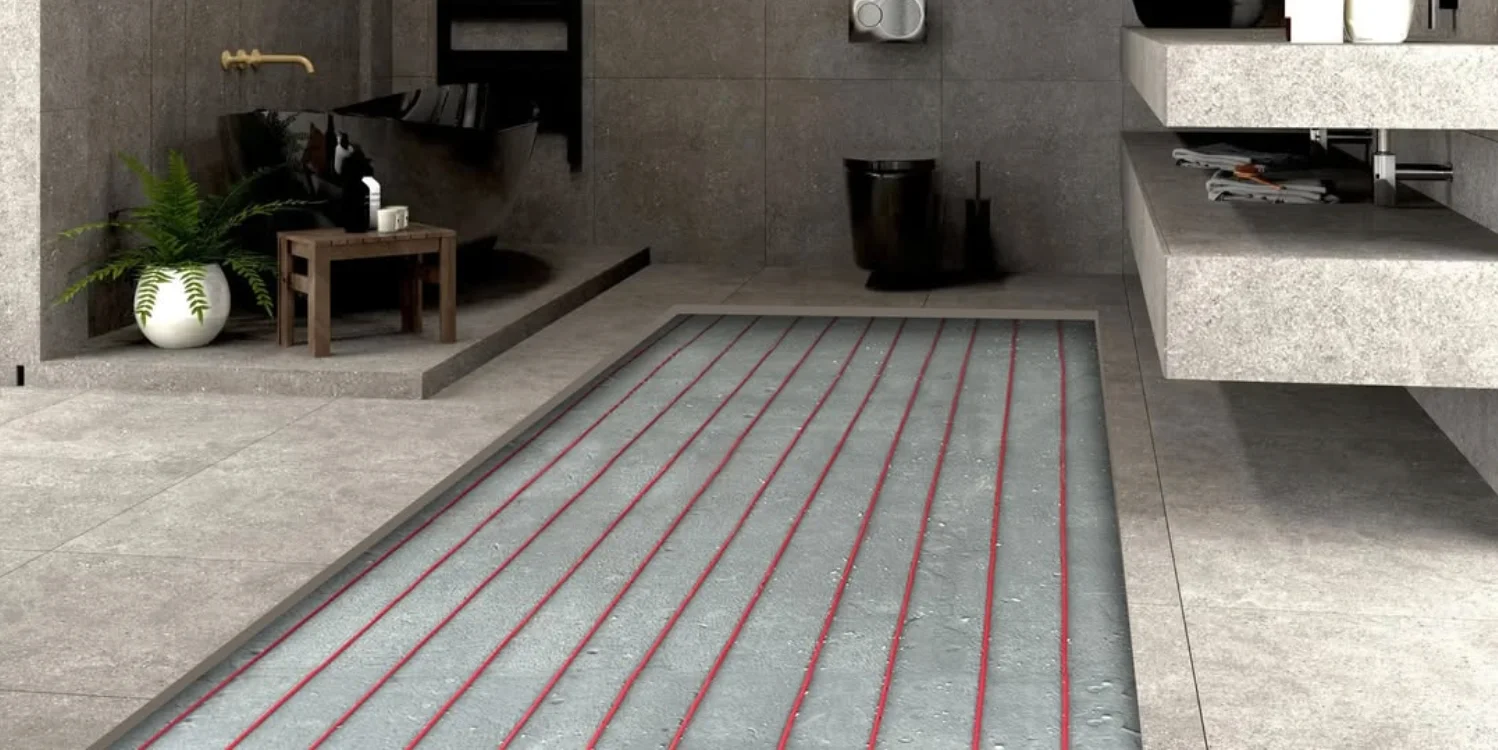
The efficiency of the underfloor heating system itself plays a crucial role. The efficiency determines how effectively it converts electrical energy into heat. Modern systems with advanced controls and high efficiency like Coldbuster use less energy to achieve the desired warmth.
The assumption in this running cost estimate model is that your heating system is running efficiently at all times.
The ability to control heating in different zones or rooms independently allows for more precise energy use, heating only the areas that need it.
The assumption in this running cost estimate model is that your heating system is designed with zoning capabilities for customised temperature control.
The design of the heating system, including the layout, spacing, and type of heating elements, affects heat distribution and overall efficiency. The size of the room in relation to the heater’s capacity is crucial. An appropriately sized heater ensures efficient heating without overworking the system.
The assumption in this running cost estimate model is that your heating system is designed and installed by experienced Coldbuster installation professionals or other suitably qualified professionals to ensure optimal performance and energy efficiency.
Consistent and predictable usage patterns help in planning and optimising energy consumption. Irregular or excessive use can lead to higher costs.
The assumption in this running cost estimate model is that your usage patterns are regular and not excessive.
Higher ceilings result in larger volumes of air to heat, which can increase energy consumption. Rooms with standard ceiling heights are more energy efficient.
The assumption in this running cost estimate model is that your ceiling heights are standard (2.4 to 2.7 meters) to maintain optimal energy efficiency and minimize excess energy use.