

Check out our latest news as well as finding useful tips and resources.
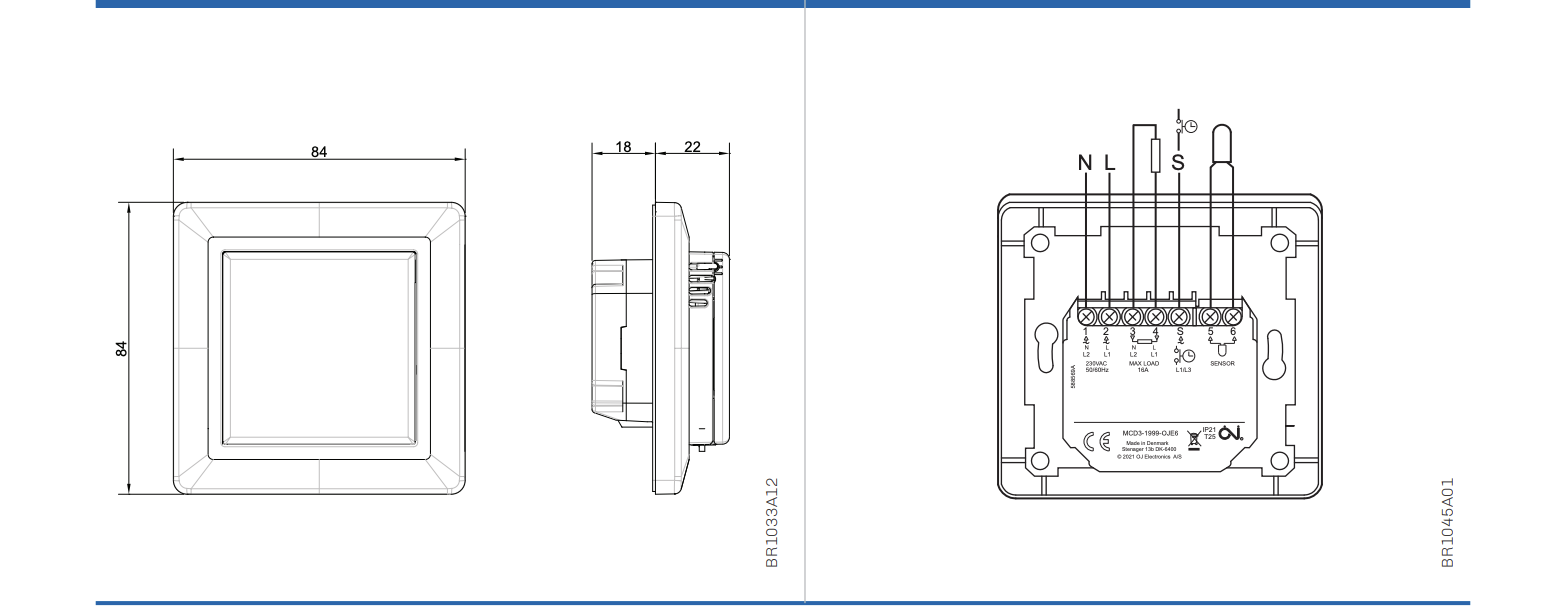
Electric underfloor heating systems are an increasingly popular choice among homeowners and builders in Australia. These systems provide efficient heating and comfort, making them an attractive addition to residential and commercial properties.
However, successful installation requires a solid understanding of the thermostat wiring diagram, which serves as the backbone of the system’s electrical connections. In this article, Coldbuster will guide you through the technical wiring instructions necessary for installing electric underfloor heating thermostats.
Before starting the wiring process, it’s essential to familiarise yourself with the key components of electric underfloor heating systems. Understanding these elements helps ensure a seamless installation for optimal performance.
In general, here are the key components of electric underfloor heating systems:
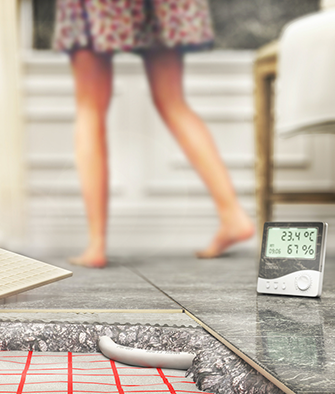
The thermostat serves as the brain of the underfloor heating system. It is also pretty easy for users to set their desired temperature for maximum comfort.
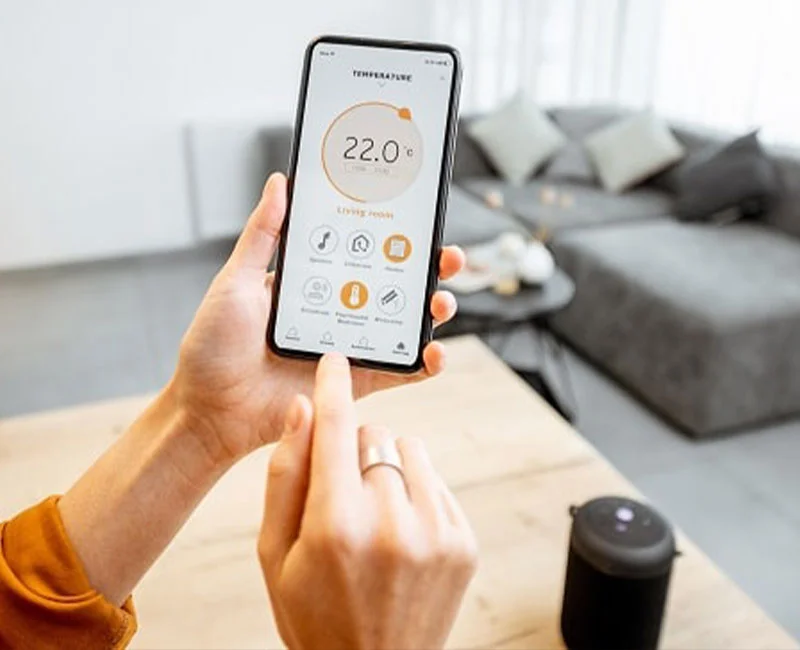
You can choose between standard and smart thermostats, with the latter offering advanced features like programmable schedules and remote access via smartphones.
Register for a Coldbuster Trade Account and explore high-quality thermostat options to ensure you have the right fit for any project, enhancing both comfort and functionality.
Heating elements are integral to the underfloor system, generating warmth beneath the floor.
Depending on your specific needs, you can opt for pre-wired heating mats for quicker installation or loose cables for greater flexibility in layout design.
A dedicated power source is vital for running the heating system effectively.
The power supply must align with the system’s voltage and amperage requirements, typically around 240V for most Australian installations.
Safety should always be a top priority when working with electrical systems. Installing an RCD is essential to protect against electrical faults.
An RCD acts as a safety net, disconnecting the power supply if a fault is detected. This will significantly reduce the risk of electric shock.
By understanding these components and their roles, tradies can confidently approach the installation process, ensuring a well-functioning electric underfloor heating system that enhances both comfort and safety.
For further resources and support, reach out to us and sign up for a trade account to access exclusive benefits and guidance tailored to your needs.
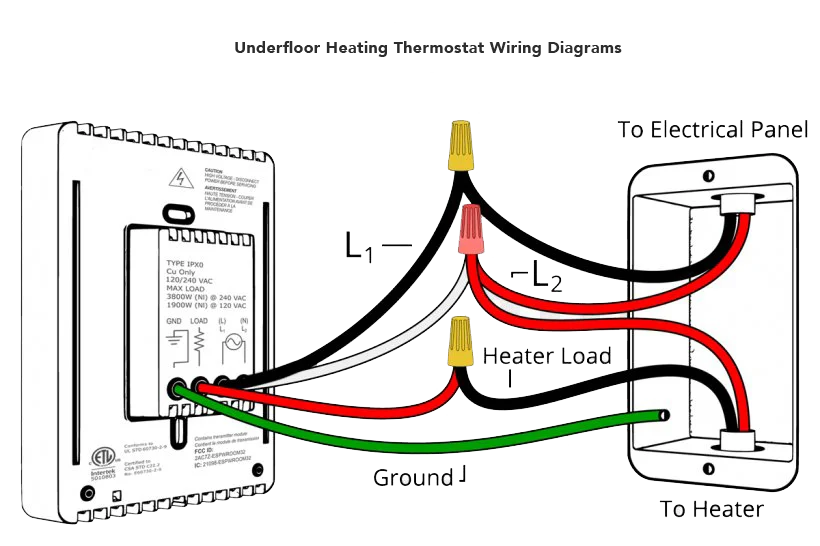
Proper wiring is crucial for the successful installation and functionality of electric underfloor heating systems.
This process not only ensures optimal performance but also enhances the safety and longevity of the system.
Understanding the specific wiring requirements and following the manufacturer’s guidelines can prevent potential hazards and costly errors.
As a tradie, having a clear grasp of these technical details will enable you to provide your clients with a reliable and efficient heating solution that enhances comfort in their homes
Without further ado, follow the step-by-step below for a successful technical wiring:
Before commencing the installation, take the time to thoroughly review the wiring diagram provided by your thermostat’s manufacturer. This diagram will be instrumental in understanding the specific wiring setup needed for your device.
Ensure you have all essential tools and materials at hand, such as wire strippers, a screwdriver, and electrical tape, to facilitate a smooth installation process.
To further enhance your installation expertise, consider leveraging Coldbuster’s training resources and support.
By registering for a Coldbuster Trade Account, you will be equipped with the knowledge and skills necessary to deliver exceptional service to clients. This will ensure that your clients benefit from a reliable and efficient underfloor heating system.
Thorough preparation is key to a successful installation. Keep these factors in mind as you get ready:
Before handling any electrical components, always ensure the power is turned off at the circuit breaker. Safety first!
Once everything is sorted, it’s time to connect the thermostat.
The process may vary depending on the type of wire or cable you’re working with, so be sure to follow the appropriate handling instructions for each.
Finally, install the temperature sensor within a conduit or protective sleeve to prevent damage. It’s crucial to place the sensor between the heating cables and away from walls to ensure it accurately reflects the ambient temperature.
To install the heating system, first lay out the heating mats or loose cables according to the manufacturer’s instructions. Avoid any overlap to prevent potential overheating.
Once the heating elements are positioned, use appropriate fixings or tape to securely hold the mats or cables in place, ensuring they are spaced evenly to promote consistent heat distribution across the entire area.
Here are some tests you can conduct to ensure that the electric underfloor heating is installed properly:
Understanding the wiring diagrams for electric underfloor heating thermostats is essential for tradies who are keen to install these efficient systems correctly.
By following these comprehensive wiring instructions and adhering to established safety standards, you can guarantee a successful and effective installation that meets your clients’ needs.
To ensure you deliver the best underfloor heating solutions to your clients, Coldbuster is here to support you with expert training and resources.
Do not hesitate to contact us for guidance or to register a trade account with us to access exclusive benefits!

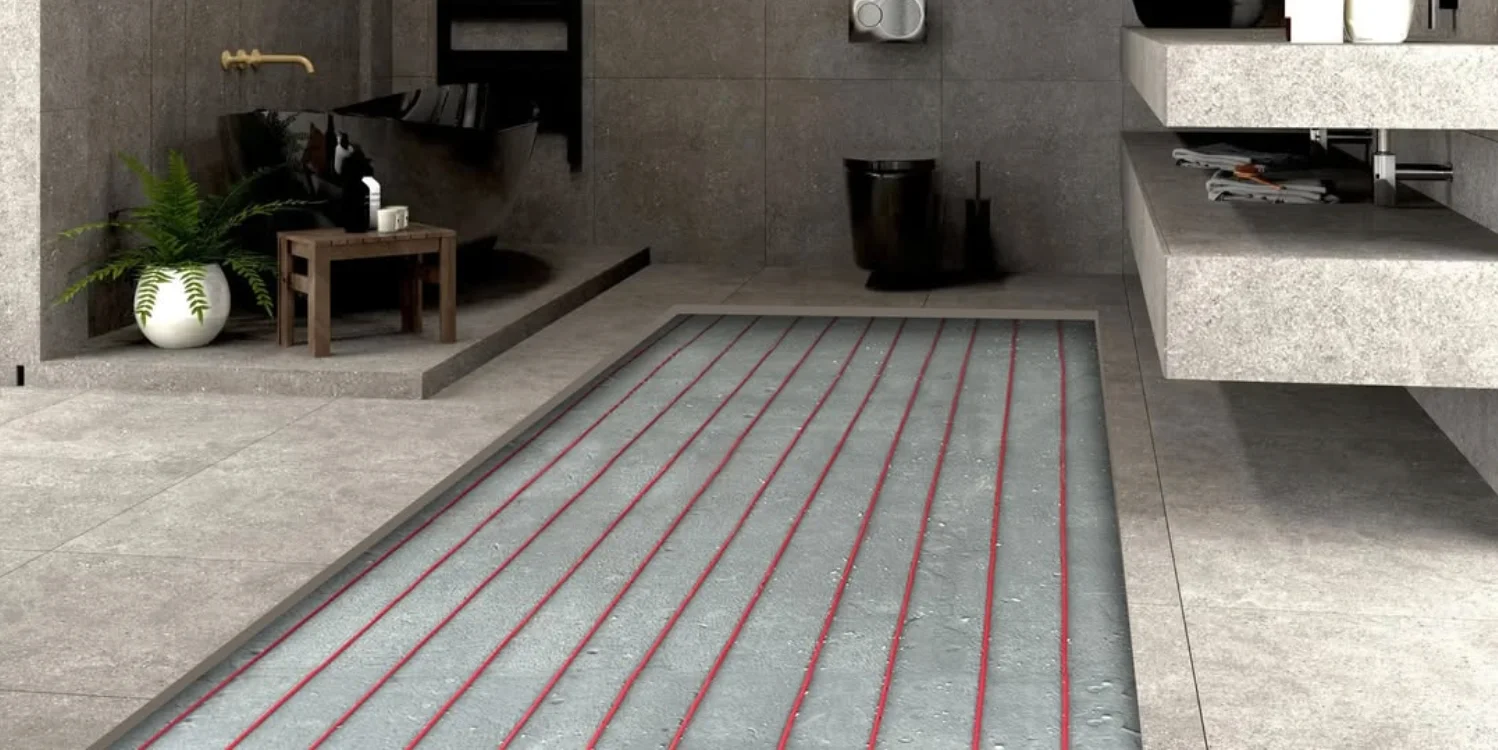

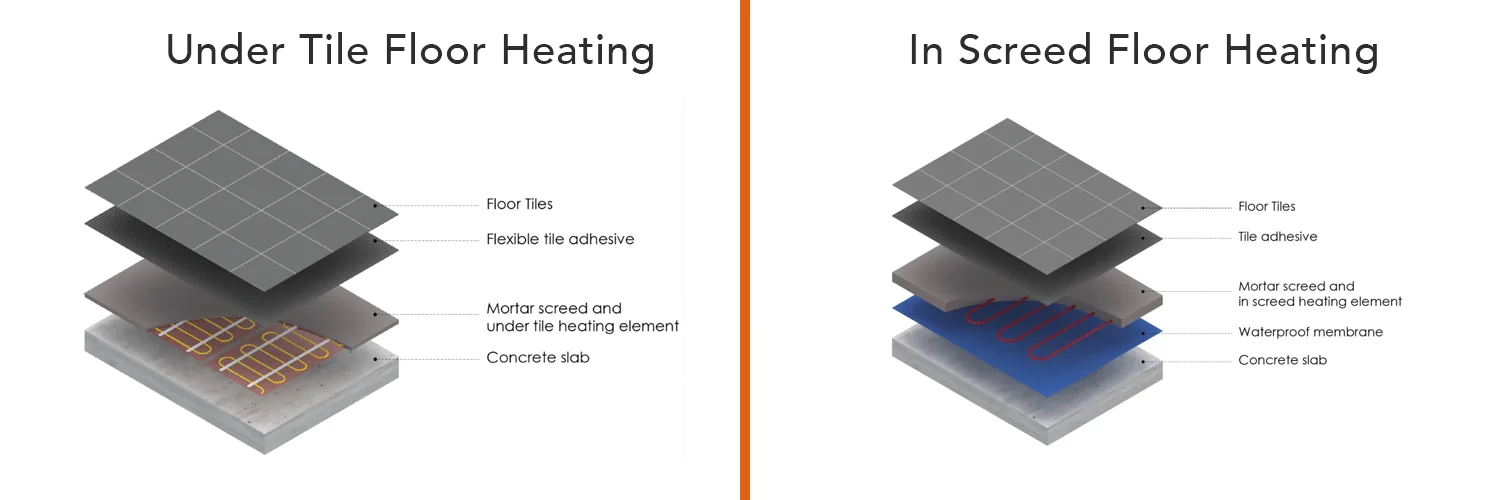


Key Factors Affecting the Running Costs of Electric Floor Heating from Coldbuster
There are many factors and assumptions that may influence the costs of running electric floor heating.
Please note that the factors and the assumptions that underpin this Running Cost Calculator mean that results should only be used as a rough guide, as conditions (some of which are listed below) can vary greatly.
The efficiency and cost of the electricity used for heating directly impact running costs. More efficient energy sources and favourable electricity tariffs reduce overall expenses. Electricity prices vary by provider and plan. Choosing an energy-efficient tariff and monitoring peak and off-peak rates can help minimise heating costs.
The assumption in this running cost estimate model is that your energy source is cost-effective and the electricity tariff is optimised for heating needs.
The total time the heating system is operational impacts energy consumption. Running the system only when necessary and using programmable thermostats to create heating schedules can optimise usage.
The assumption in this running cost estimate model is that your heating is running only when necessary and optimised accordingly.
A duty cycle for electric underfloor heating represents the percentage of time the system is actively heating versus its total operational time. After the floor reaches its set temperature, the system cycles on and off to maintain it. The calculator factors this in and assumes a 50% duty cycle.
The temperature set on the thermostat directly affects energy usage. Lowering the thermostat temperature by just a few degrees can significantly reduce running costs without compromising comfort. Programmable and smart thermostats can optimise heating schedules, reducing energy use during non-peak times and enhancing overall efficiency. Setting the thermostat to an optimal temperature (e.g., 20-22°C) during occupied times and lowering it (or even better turning it off) when not in use can significantly affect running costs.
The assumption in this running cost estimate model is that you are using one of Coldbuster’s smart programmable thermostats to manage heating schedules effectively and that the settings are optimised for both comfort and efficiency.
Proper insulation reduces heat loss, making the heating system more efficient. Effective insulation in your floors, walls and roofs will help maintain the desired temperature with less energy consumption. Better insulation helps retain heat within the room, minimising the energy required to maintain comfort.
The assumption in this running cost estimate model is that your building has high-quality insulation materials installed in the walls, roof, and floor.
The type of floor substrate affects heat retention and energy efficiency. Concrete floors, for example, retain heat longer, while timber floors may require more energy to maintain warmth.
The assumption is that your floor substrate is conducive to efficient heating, with thermal insulation boards used where necessary to enhance heat retention.
Different floor coverings have varying thermal properties. Materials like tile and stone conduct heat efficiently, while carpets and wood may require higher energy to achieve the same comfort level.
The assumption in this running cost estimate model is that your flooring material is chosen with consideration of its thermal conductivity and compatibility with the heating system.
Draughts from poorly sealed windows and doors, as well as other gaps, can lead to heat loss and increased energy consumption. The type and quality of windows and doors significantly impact heat loss and gain. Double-glazing and well-sealed frames reduce draughts and improve thermal efficiency.
The assumption in this running cost estimate model is that your windows, doors, and other potential gaps are well-sealed to prevent drafts and heat loss.
The overall energy efficiency of a building, including factors like construction quality, age, design and energy ratings, all affect its thermal efficiency and hence impacts heating costs. Older buildings may have more heat loss compared to newer, energy-efficient constructions.
The assumption in this running cost estimate model is that your building is relatively modern or has been updated to meet contemporary energy efficiency standards.
The local climate influences heating needs. Colder outdoor temperatures increase the demand for indoor heating. Regions with milder winters require less heating and would therefore typically have lower running costs compared to areas with harsh winter and cold conditions.
The assumption in this running cost estimate model is based on average climatic conditions specific to the region in Australia where you are located and where the system is installed.
The efficiency of the underfloor heating system itself plays a crucial role. The efficiency determines how effectively it converts electrical energy into heat. Modern systems with advanced controls and high efficiency like Coldbuster use less energy to achieve the desired warmth.
The assumption in this running cost estimate model is that your heating system is running efficiently at all times.
The ability to control heating in different zones or rooms independently allows for more precise energy use, heating only the areas that need it.
The assumption in this running cost estimate model is that your heating system is designed with zoning capabilities for customised temperature control.
The design of the heating system, including the layout, spacing, and type of heating elements, affects heat distribution and overall efficiency. The size of the room in relation to the heater’s capacity is crucial. An appropriately sized heater ensures efficient heating without overworking the system.
The assumption in this running cost estimate model is that your heating system is designed and installed by experienced Coldbuster installation professionals or other suitably qualified professionals to ensure optimal performance and energy efficiency.
Consistent and predictable usage patterns help in planning and optimising energy consumption. Irregular or excessive use can lead to higher costs.
The assumption in this running cost estimate model is that your usage patterns are regular and not excessive.
Higher ceilings result in larger volumes of air to heat, which can increase energy consumption. Rooms with standard ceiling heights are more energy efficient.
The assumption in this running cost estimate model is that your ceiling heights are standard (2.4 to 2.7 meters) to maintain optimal energy efficiency and minimize excess energy use.